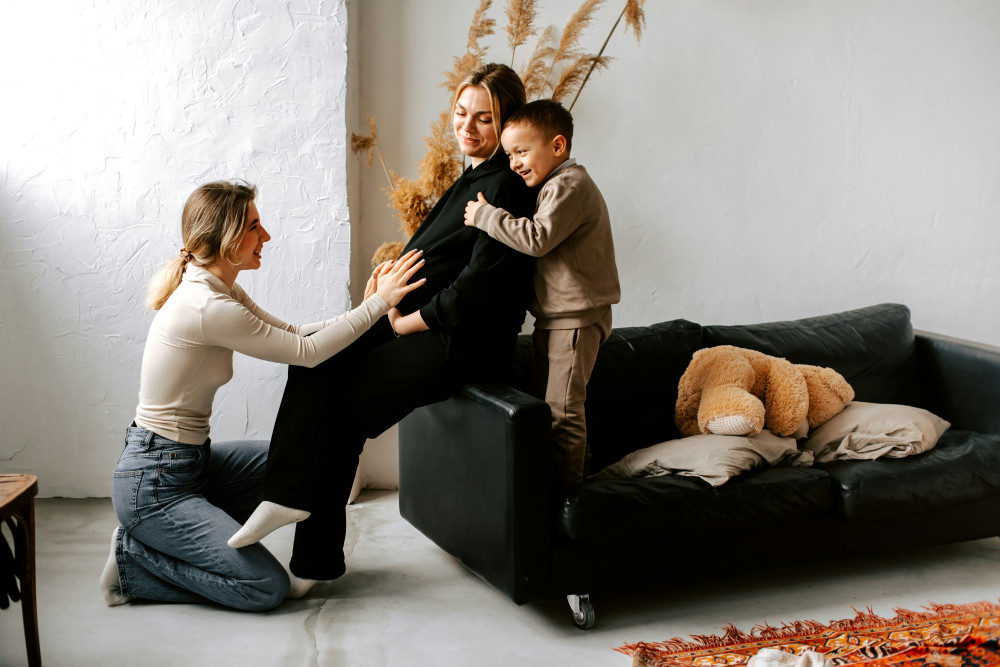
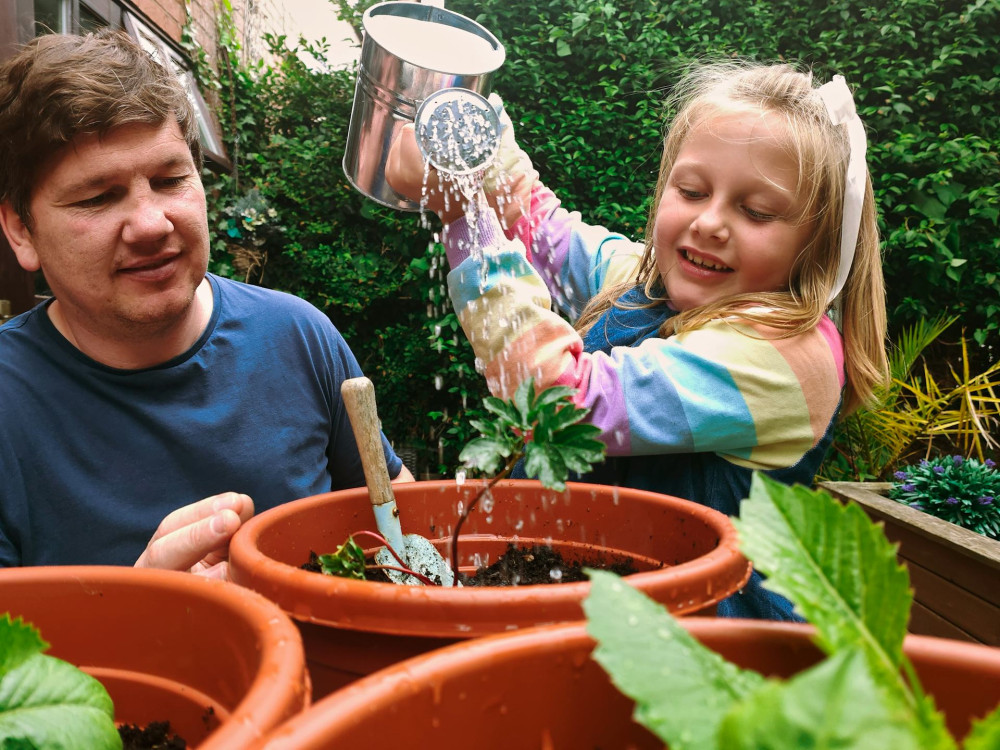
A Home with Heart: How to Create Comfort and Well-Being for the Whole Family


A Home with Heart: How to Create Comfort and Well-Being for the Whole Family
A home is more than a place to sleep or store your belongings. It’s where life unfolds — where we recharge, connect, and find peace. But a warm and harmonious home doesn’t just happen; it’s something we create through intention, care, and everyday choices. Here’s how you can build a home with heart, where every family member feels safe, valued, and at ease.
Comfort Begins with Connection
True comfort isn’t only about soft furniture or cozy lighting — it’s about emotional connection. In a busy American household, where work, school, and activities often fill the calendar, finding time for one another can be a challenge. Yet even small moments of presence can make a big difference.
- Create family routines – shared meals, bedtime stories, or a weekly game night bring rhythm and predictability to family life.
- Be fully present – put away your phone during conversations and show genuine interest in each other’s day.
- Listen with empathy – children and adults alike need to feel heard and understood.
When connection becomes part of your daily rhythm, trust and togetherness naturally grow.
A Space That Feels Good to Be In
The physical environment of your home has a powerful effect on mood and energy. A home with heart doesn’t have to be picture-perfect — it just needs to feel welcoming and authentic.
- Design for togetherness – a dining table that invites conversation or a living room that encourages relaxation can become the heart of the home.
- Show your family’s personality – display kids’ artwork, family photos, or souvenirs from trips. These personal touches make your home feel alive.
- Create zones for different needs – a quiet corner for reading, a space for play, and a spot for solitude when someone needs a break.
A home that reflects your family’s story fosters a sense of belonging and calm.
Communication: The Key to Family Well-Being
Many family conflicts stem from misunderstandings or unspoken frustrations. Open, respectful communication is essential for a peaceful home.
- Talk about feelings – encourage everyone to express emotions without fear of judgment.
- Address issues early – small irritations can grow if ignored. Discuss them before they turn into bigger problems.
- Respect differences – each family member has their own way of thinking and reacting. Embrace those differences as strengths.
When communication flows freely, home becomes a place where everyone feels safe to be themselves.
Balancing Togetherness and Independence
A healthy family life is about balance — spending time together while also respecting each person’s need for space. Too much togetherness can feel overwhelming, while too much independence can create distance.
Set up routines that allow for both. Maybe you have a regular “family Friday” for movies or pizza night, but also make room for individual hobbies and quiet time. Children learn valuable lessons when they see parents nurturing their own interests and well-being.
Læs også:



The Power of Traditions and Small Rituals
Traditions give families a sense of continuity and shared identity. They don’t have to be elaborate — often, it’s the small, repeated moments that matter most.
Maybe it’s pancakes on Sunday mornings, decorating the house together for the holidays, or taking evening walks after dinner. These rituals become emotional anchors, offering comfort and joy — especially for children.
When Life Gets Stressful
No family lives in perfect harmony all the time. There will be seasons of stress, conflict, or exhaustion. What matters most is how you handle them.
Allow space for mistakes and frustrations. Talk openly about what’s not working and look for solutions together. Sometimes small adjustments — like reassigning chores or simplifying schedules — can bring back a sense of calm.
Showing that you can face challenges as a team strengthens trust and resilience.
A Home That Grows with You
A home with heart isn’t static — it evolves as your family does. Children grow, routines shift, and new needs emerge. The key is to stay flexible and open, adjusting your home and habits as life changes.
When love, respect, and presence form the foundation, your home becomes more than a place to live — it becomes a sanctuary where everyone can thrive, no matter what life brings.
Læs også: