Church Wedding Step by Step – How the Ceremony Works

Church Wedding Step by Step – How the Ceremony Works
For many couples, a church wedding is the most meaningful and traditional way to say “I do.” It’s a ceremony that blends love, faith, and community, marking the beginning of a lifelong commitment. But what actually happens during a church wedding in the United States? Here’s a step-by-step look at how the ceremony typically unfolds.
Before the Ceremony – Planning and Arrival
Long before the wedding day, the couple meets with the officiating pastor or priest to plan the service. Together they discuss the order of worship, music, readings, and vows. Many churches also require or recommend premarital counseling sessions to help couples prepare for marriage both spiritually and practically.
On the big day, guests usually arrive 15–30 minutes before the ceremony begins. The groom and groomsmen often wait near the altar, while the bride arrives last—traditionally escorted by her father or another close family member. When the music begins and the bride enters, everyone stands, signaling that the ceremony is about to start.
Processional and Welcome
As the wedding party walks down the aisle, music fills the sanctuary—sometimes played on an organ, piano, or by live musicians. Once the bride reaches the front, the officiant welcomes everyone and invites them to be seated. The opening words set the tone, reminding guests that they are gathered to witness and bless the union of two people in love.
The officiant may begin with a prayer or a short reflection on the meaning of marriage, emphasizing values such as faithfulness, love, and mutual respect. The atmosphere is reverent yet joyful, filled with anticipation.
Readings and Music
Next come the readings, often chosen by the couple. These may include passages from the Bible—such as 1 Corinthians 13 or Genesis 2—or other meaningful texts about love and commitment. Family members or friends are sometimes invited to read aloud. Between readings, hymns or songs may be performed, adding a personal and emotional touch to the service.
The Message or Homily
After the readings, the officiant delivers a short message or homily. This is one of the most personal moments of the ceremony. The message often reflects on the nature of love, the promises of marriage, and the couple’s journey together. It may include stories or insights that make the moment both spiritual and heartfelt.
The Vows and Exchange of Rings
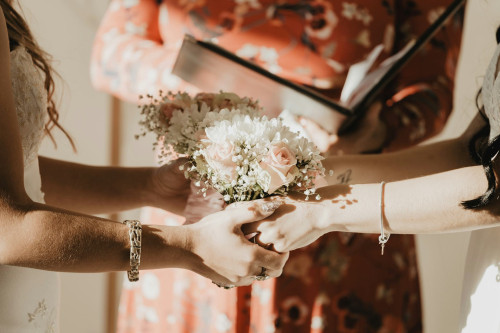
Then comes the heart of the ceremony—the vows. The officiant asks the couple to declare their intention to marry, followed by the exchange of vows. Some couples use traditional wording, while others write their own promises to each other. These words express their commitment to love, honor, and cherish one another through all of life’s seasons.
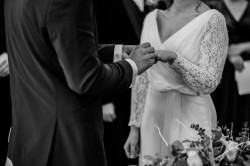
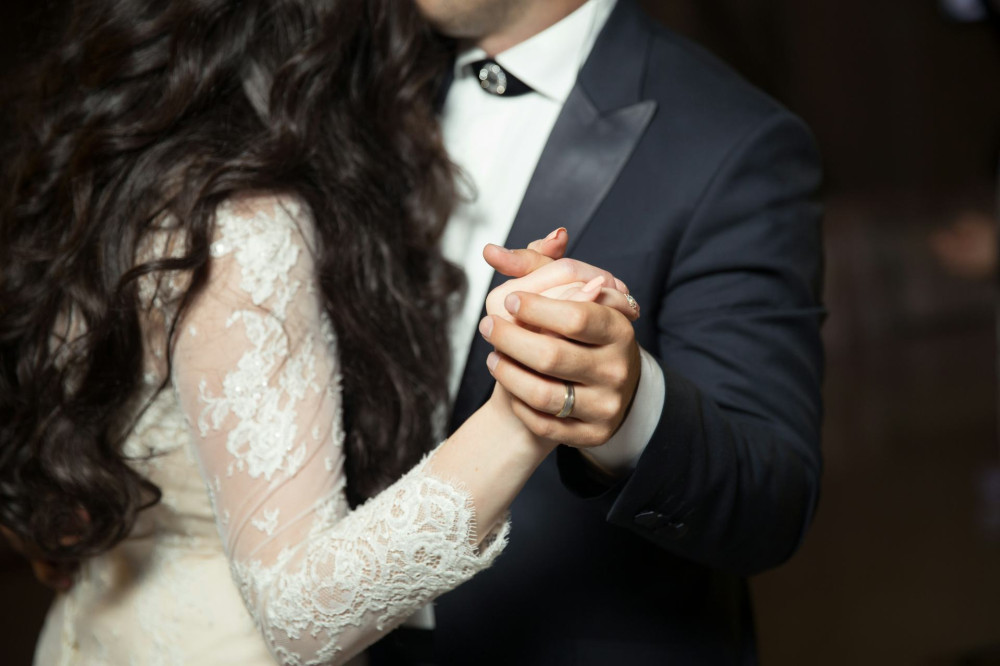
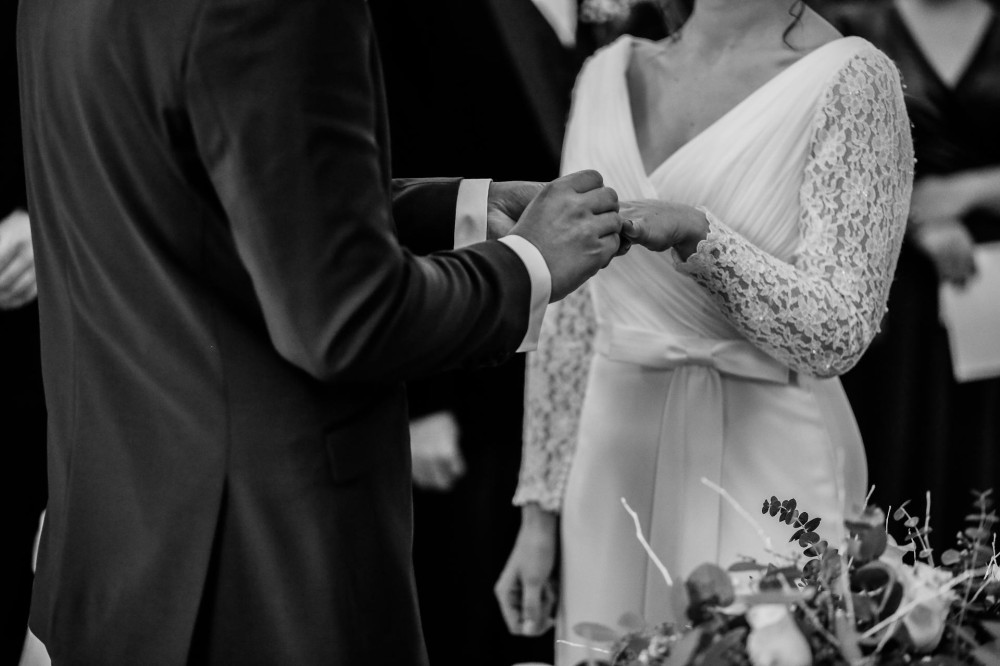
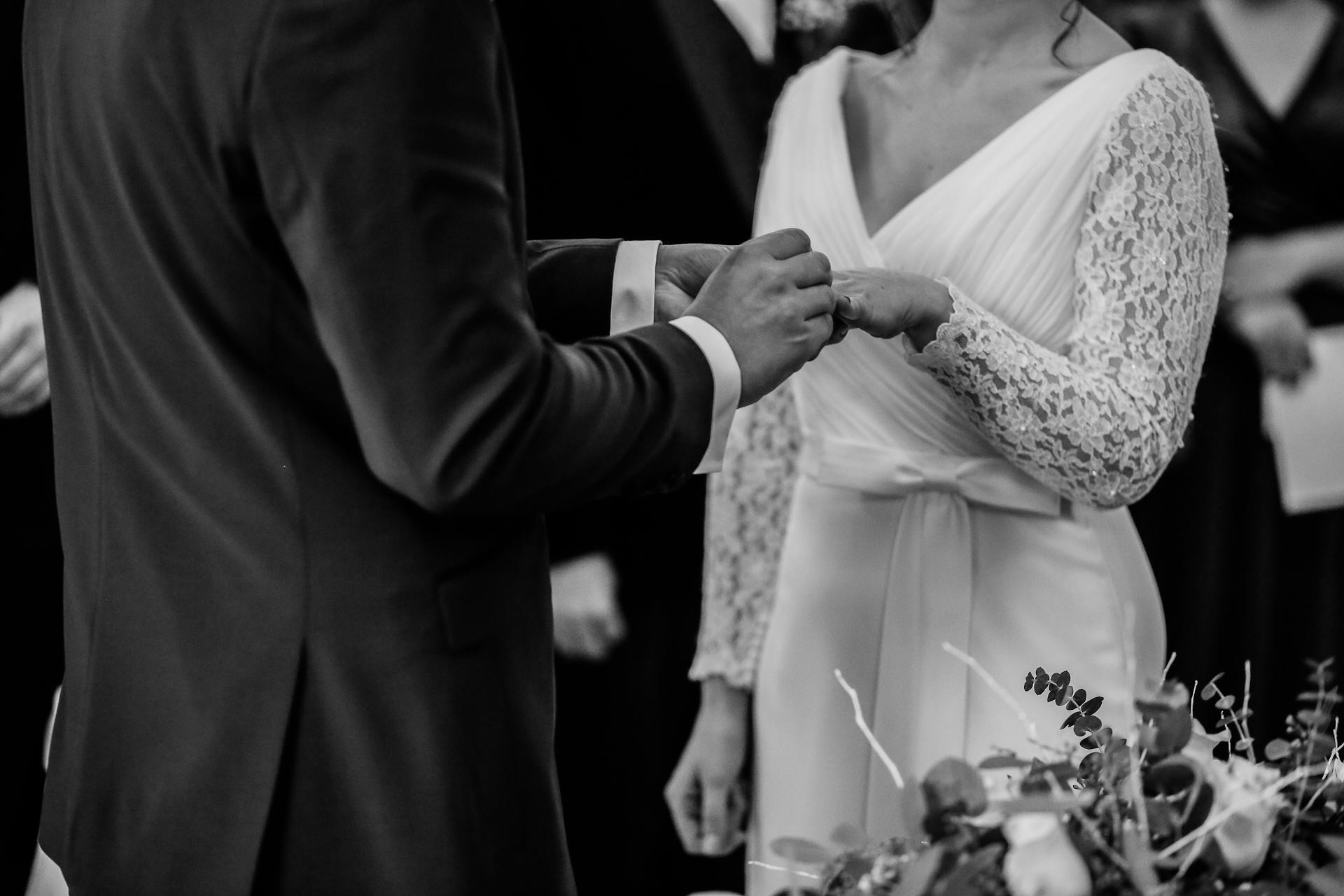
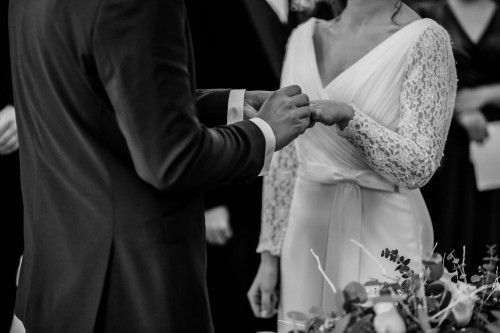
After the vows, the couple exchanges rings as a symbol of their unending love. The officiant blesses the rings, and the couple places them on each other’s fingers. The moment often ends with the officiant pronouncing them husband and wife, followed by the couple’s first kiss as newlyweds.
Læs også:
Blessing and Closing
Following the vows, the officiant offers a final prayer or blessing over the marriage. This may include a benediction asking for God’s guidance and grace in the couple’s life together. A final hymn or musical piece is often played as the ceremony draws to a close.
The officiant then introduces the couple to the congregation—now officially married. Guests rise to their feet, and joyful music accompanies the recessional as the couple walks back down the aisle, hand in hand.
After the Ceremony – Congratulations and Photos
Outside the church, family and friends gather to congratulate the newlyweds. This is the perfect time for hugs, photos, and celebration. Some couples choose to have a receiving line, while others head straight to the photo session or reception. The mood shifts from solemn to festive as everyone celebrates the new marriage.
A Ceremony of Faith, Tradition, and Love
While most church weddings follow a familiar structure, each one can be personalized. Couples can choose their own music, readings, and participants to make the ceremony uniquely theirs. Whether simple or elaborate, a church wedding remains a beautiful and sacred way to begin a marriage—rooted in faith, surrounded by loved ones, and filled with love and hope for the future.
Læs også: