Hands and Feet Through Life: How Care Changes With Age

Hands and Feet Through Life: How Care Changes With Age
Our hands and feet carry us through every stage of life — they hold, move, support, and connect us to the world. But just like the rest of the body, they change over time, and so do their needs. From a baby’s soft skin to the mature years when moisture and comfort become key, caring for hands and feet is an essential part of lifelong well-being. Here’s how that care evolves as we age.
The Early Years – Gentle Protection
In infancy and early childhood, the skin on hands and feet is thin and delicate. It loses moisture quickly and can easily become irritated by heat, cold, or too much water. The goal at this stage is to protect and maintain the skin’s natural balance.
- Use mild, fragrance-free cleansers that don’t dry out the skin.
- Avoid long baths, and gently pat the skin dry — especially between the toes.
- Apply a rich, unscented cream to keep the skin soft, particularly during colder months.
Children’s nails grow quickly but are soft and flexible. Trim them carefully with small nail scissors, and avoid cutting too close to the skin to prevent irritation.
The Teen Years – Activity and Change
During adolescence, hands and feet face new challenges. Sports, hormonal changes, and increased sweating can lead to issues like calluses, odor, or even acne on the hands.
- Wash hands and feet daily, and follow with a light moisturizer.
- Choose breathable shoes and cotton socks to reduce moisture and odor.
- For active teens, a gentle foot scrub and an antibacterial foot cream can help keep skin fresh.
This is also the age when many start experimenting with nail polish. Remember to give nails a break between applications to prevent discoloration or brittleness.
Adulthood – Maintenance and Prevention
In your 20s and 30s, the skin remains resilient but gradually begins to lose moisture and elasticity. Hands often show early signs of aging because they’re exposed to sun, water, and cleaning products.
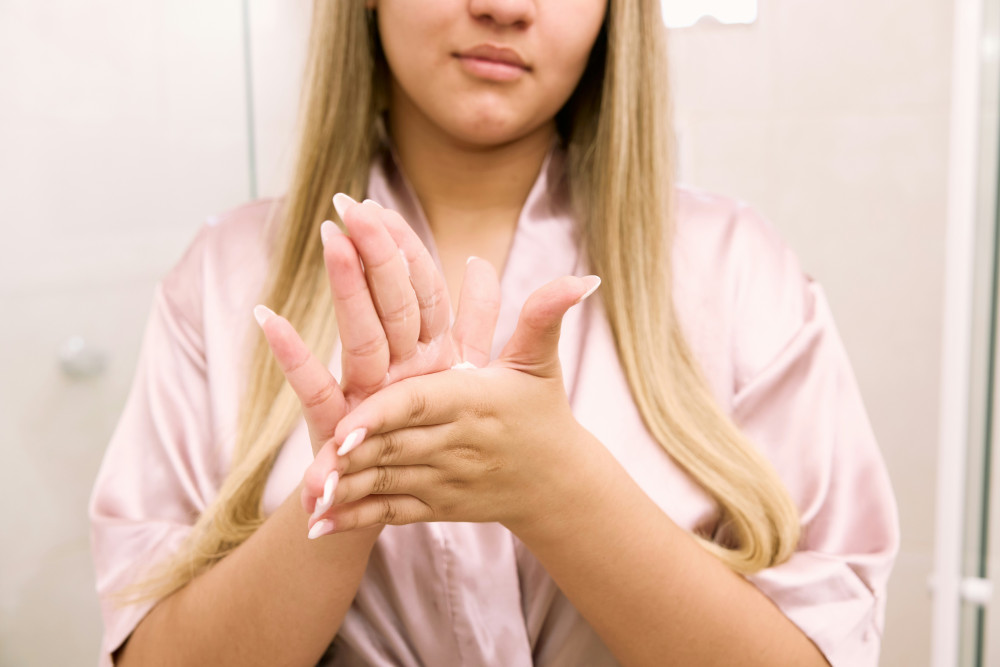
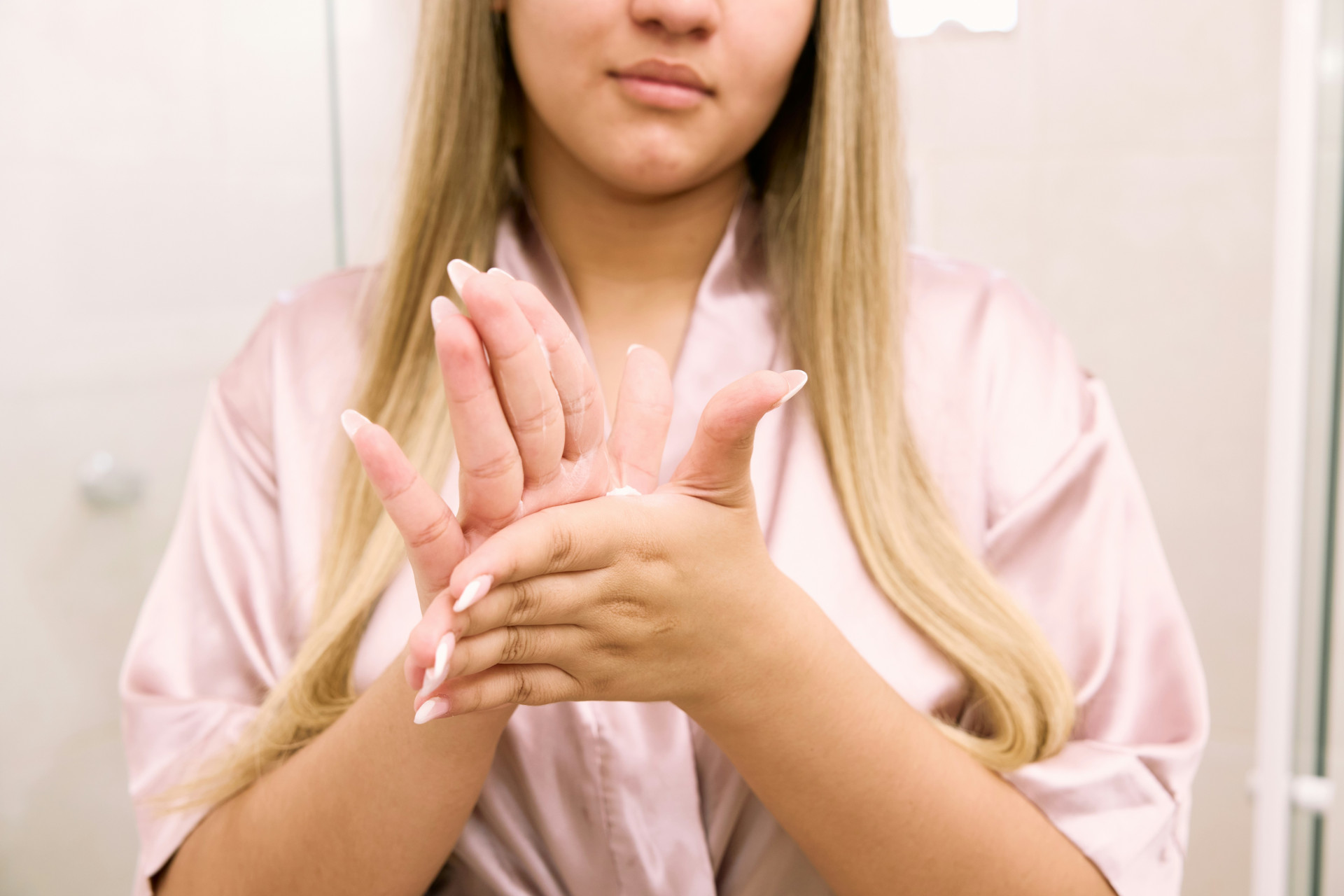
- Use hand cream daily — ideally one with SPF if you spend time outdoors.
- Wear gloves when cleaning or washing dishes to protect against dryness.
- Keep up with regular foot care: remove calluses, trim nails properly, and use a moisturizing foot cream.
If you’re on your feet all day, a warm foot soak and gentle massage in the evening can boost circulation and relieve tension.
Midlife – Focus on Hydration and Strength
From your 40s onward, the skin becomes thinner, and natural oil production decreases. Hands and feet may feel drier, and nails can become more brittle.
- Switch to richer hand and foot creams with ingredients like shea butter, glycerin, or hyaluronic acid.
- Use cuticle oil to strengthen nails and prevent cracking.
- Exfoliate hands and feet weekly to remove dead skin and improve moisture absorption.
Many people also notice age spots or uneven tone on their hands. Daily sun protection and products with vitamin C can help even out the skin’s appearance.
Læs også:


The Later Years – Comfort and Support
As we age, circulation slows, and the skin loses more elasticity. Feet may become more sensitive, nails may thicken, and reduced mobility can make self-care more challenging.
- Apply a rich cream or ointment daily — ideally after bathing, when the skin absorbs moisture best.
- Make sure shoes fit well and provide proper support to prevent pressure points and calluses.
- Consider professional foot care, especially if you have issues with thick nails, hard skin, or reduced sensation.
For hands, the same principles apply: moisture, protection, and gentle massage can greatly improve comfort and flexibility.
Care as a Part of Quality of Life
At every age, caring for your hands and feet isn’t just about appearance — it’s about health, comfort, and independence. Healthy hands and feet make it easier to move, work, and enjoy daily life. A few minutes of attention each day — with moisture, care, and awareness — is a small investment that pays off in lifelong well-being.
Læs også: