The Meeting of Materials: How Contrasts Shape a Jewel’s Personality

The Meeting of Materials: How Contrasts Shape a Jewel’s Personality
When we choose a piece of jewelry, we rarely choose just a design – we choose an expression. A jewel can be bold or delicate, minimalist or ornate, but it’s often the meeting of materials that gives it its true character. The combination of gold and silver, stone and metal, matte and polished surfaces creates contrasts that make a piece come alive. In a culture that values individuality and craftsmanship, it’s in these contrasts that a jewel’s personality is born.
When Opposites Attract
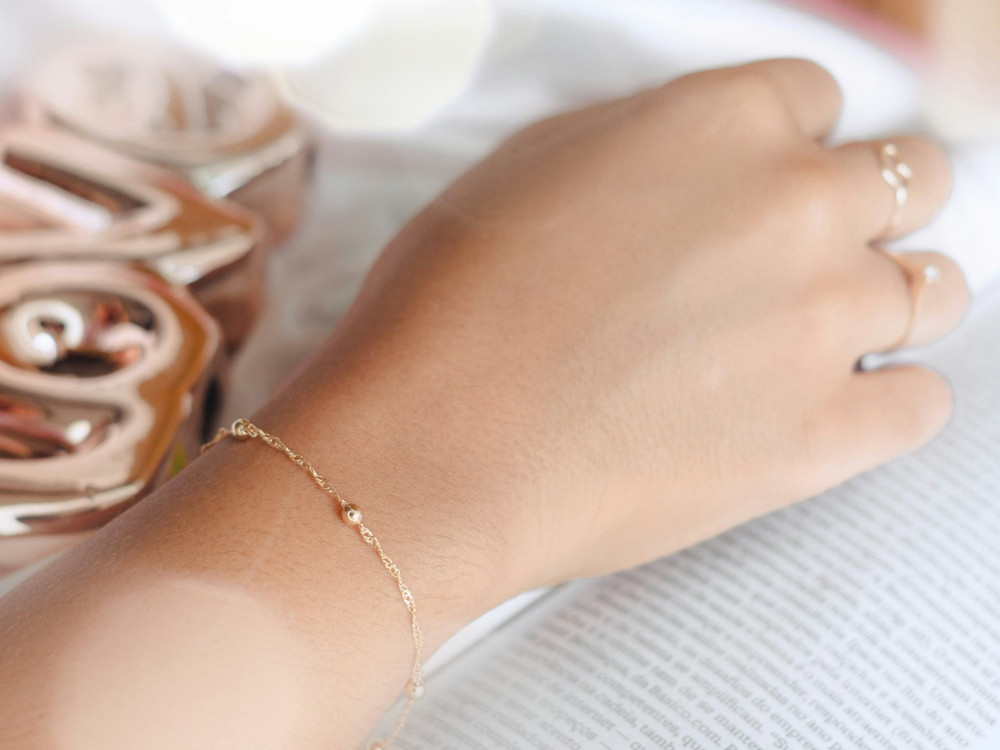
For decades, mixing metals was considered a fashion misstep – gold belonged with gold, silver with silver. Today, contrast is what makes a piece intriguing. A bracelet where cool silver meets warm gold can strike a balance between classic and contemporary. The same is true for texture: a brushed surface beside a mirror finish adds depth and movement.
Designers now embrace these juxtapositions to create jewelry that feels both timeless and modern. It’s not only about aesthetics but also about storytelling – about materials, craftsmanship, and the person who wears the piece.
Nature in Conversation with Metal
Natural materials like wood, leather, pearls, and gemstones have found their way into modern American jewelry design, offering a tactile counterpoint to precious metals. A pendant with a slice of turquoise or a ring inlaid with walnut wood brings warmth and organic form to the cool precision of metal. The meeting of natural and refined materials creates a balance between the raw and the sophisticated.
For many artisans, this dialogue is a way to bring nature closer to the body – a small piece of earth, ocean, or sky worn as a personal symbol.
Surfaces, Textures, and Light
A jewel’s expression depends not only on what it’s made of but also on how it’s finished. A hammered surface catches light differently than a high polish, and a satin texture can give a piece a soft, understated glow. When different finishes meet in one design, they create a play of light that shifts with every movement.
This sensory quality is what makes jewelry more than decoration – it becomes a small work of art that invites touch and attention.
Jewelry with Personality and Meaning
For many Americans, jewelry is as much about identity as it is about style. A piece that combines contrasts can reflect the many sides of its wearer – strength and softness, tradition and innovation, simplicity and complexity. It becomes a statement that we, too, contain contradictions.
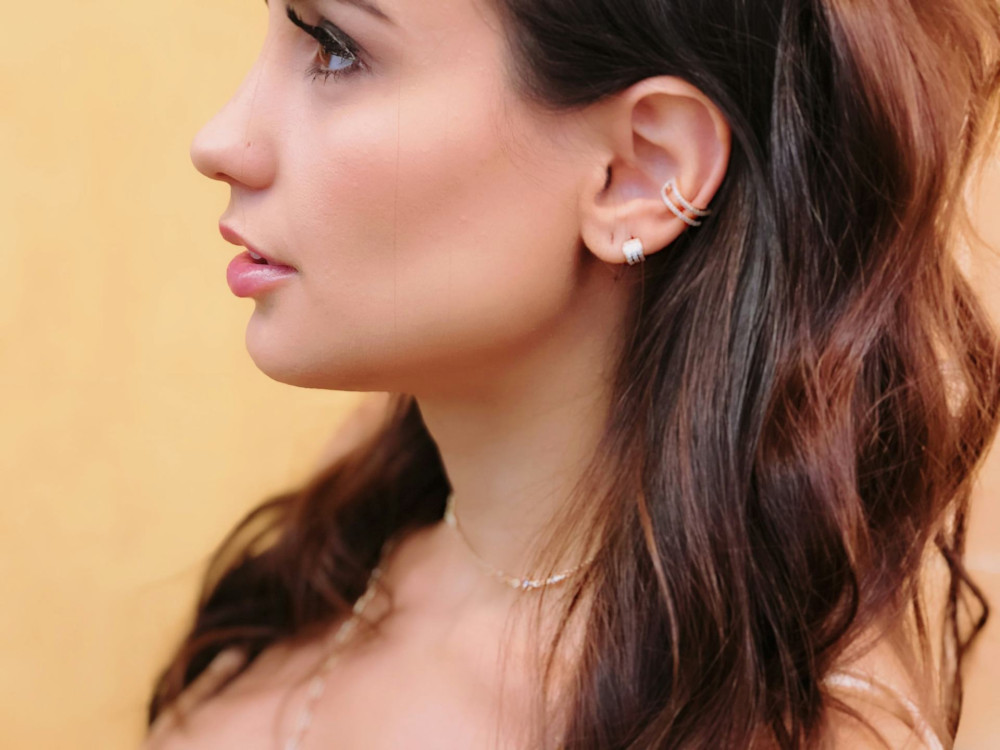
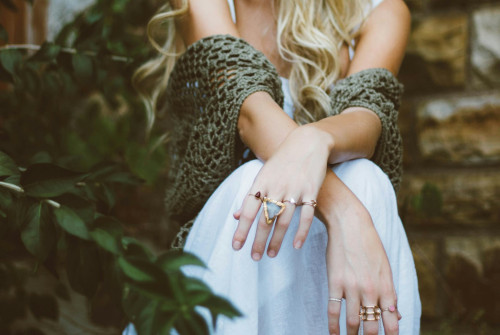
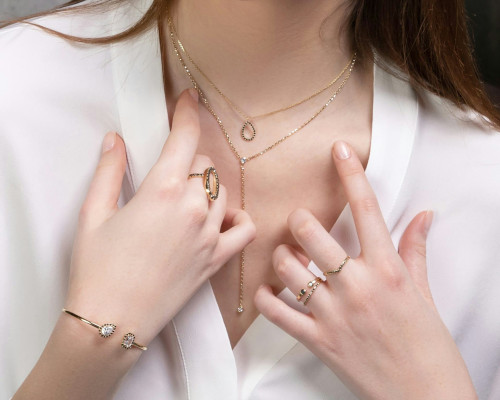
That’s why more people are mixing rather than matching their jewelry. A silver cuff can sit beside a gold ring, and a rugged leather bracelet can add edge to a refined necklace. It’s about creating one’s own harmony through difference.
The Craft Behind the Contrast
Behind every piece lies a craft that demands precision and intuition. Soldering gold to silver, setting a gemstone into wood, or blending two textures seamlessly requires both technical skill and artistic sensitivity. It’s here that the jeweler’s eye for proportion and balance truly shines.
When the craftsmanship succeeds, contrast becomes not a clash but a conversation – a meeting where differences enhance one another.
Læs også:

A Jewel with Soul
In the end, it’s the contrasts that give a jewel its soul. They remind us that beauty often emerges from tension – between the imperfect and the refined, the natural and the crafted. A piece where materials meet in unexpected ways becomes more than an accessory; it becomes a personal statement, a small piece of art that tells the story of who we are.
Læs også: