Childhood Memories in a New Light: When the Past Takes on New Meaning in Adulthood

Childhood Memories in a New Light: When the Past Takes on New Meaning in Adulthood
When we look back on childhood, we often recall moments of safety, play, and wonder—small fragments of time that once seemed ordinary but now feel deeply significant. Memories can act like tiny time capsules, filled with scents, sounds, and sensations that resurface unexpectedly. As adults, we see our past through a different lens, and what was once just an experience can take on new meaning.
When Memories Change Color
Childhood memories are not fixed; they evolve as we do. A recollection of catching fireflies on a summer evening might, years later, stir a longing for simplicity and connection. A memory of feeling left out at school might help us understand why we value inclusion so strongly today. Our memories become mirrors, reflecting where we come from and how we’ve become who we are.
Many people find that memories once dismissed as trivial gain new depth with time. Becoming a parent, for instance, can suddenly illuminate the choices our own parents made. Losing someone dear can make us realize how much the smallest moments mattered. The past, once distant, becomes a living part of our present understanding.
Læs også:


The Past as a Source of Insight
Revisiting childhood memories can be a path to self-understanding. Psychologists note that memory is not a static archive but a living story we continually rewrite. Reflecting on the past allows us to see patterns in our behavior, values, and relationships.
For some, retelling their own story can be healing—seeing how they’ve overcome challenges or how love and support have shaped their lives. It’s not about idealizing the past, but about recognizing it as an essential part of the whole person we’ve become.
When Memories Bring Both Pain and Gratitude
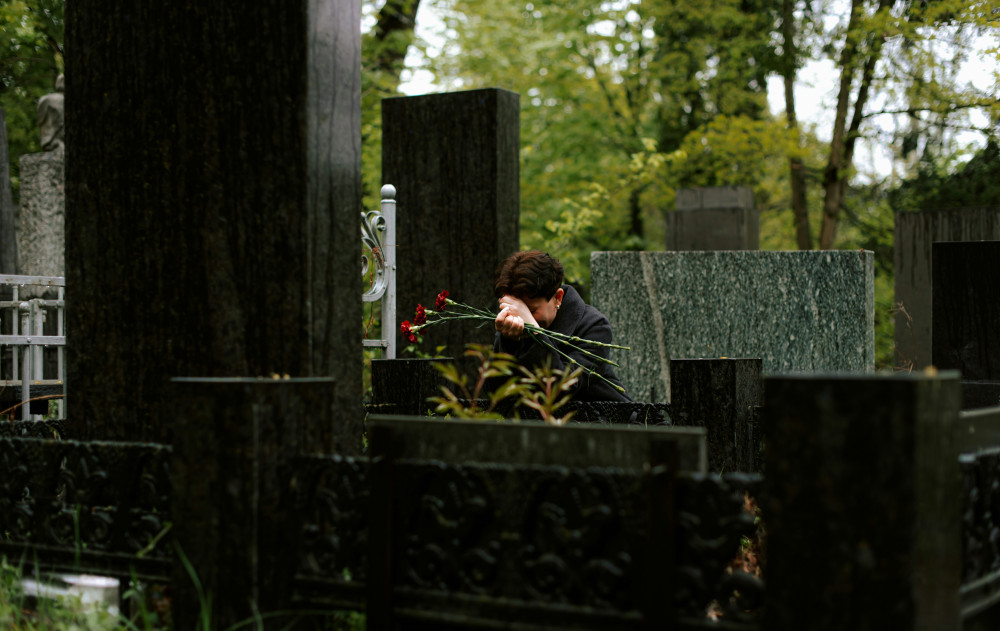
Some memories are painful to revisit. They may remind us of loss, loneliness, or times when we felt unseen. Yet even difficult memories can take on new meaning when viewed through the lens of growth. They can remind us of our resilience, our capacity to heal, and the people who stood by us when life was hard.
Allowing ourselves to feel both sorrow and gratitude is part of growing up. Our memories don’t fade, but they gain new shades of understanding. They become part of our life story—not as something to escape, but as something to learn from.
Reconnecting with the Past
One way to engage with childhood memories is to revisit meaningful places: a childhood home, a neighborhood park, or a favorite trail. Standing there again as an adult can create a sense of continuity, as if past and present briefly meet.
Others choose to write down their memories, paint them, or share them with family and friends. Putting the past into words or images helps us make sense of it and weave it into our current lives. It can also be a way to pass those memories on—small pieces of lived wisdom for the next generation.
The Past as a Quiet Companion
Childhood memories never truly disappear. They accompany us quietly through life—sometimes in the background, sometimes right beside us. When we learn to see them in a new light, they can become sources of comfort and insight. They remind us that we have roots, and that our life story is made up of both light and shadow.
To understand the past is not to live in it, but to let it give meaning to the life we live now. In that way, our childhood memories are not just something we look back on—they continue to shape who we are, every single day.
Læs også: