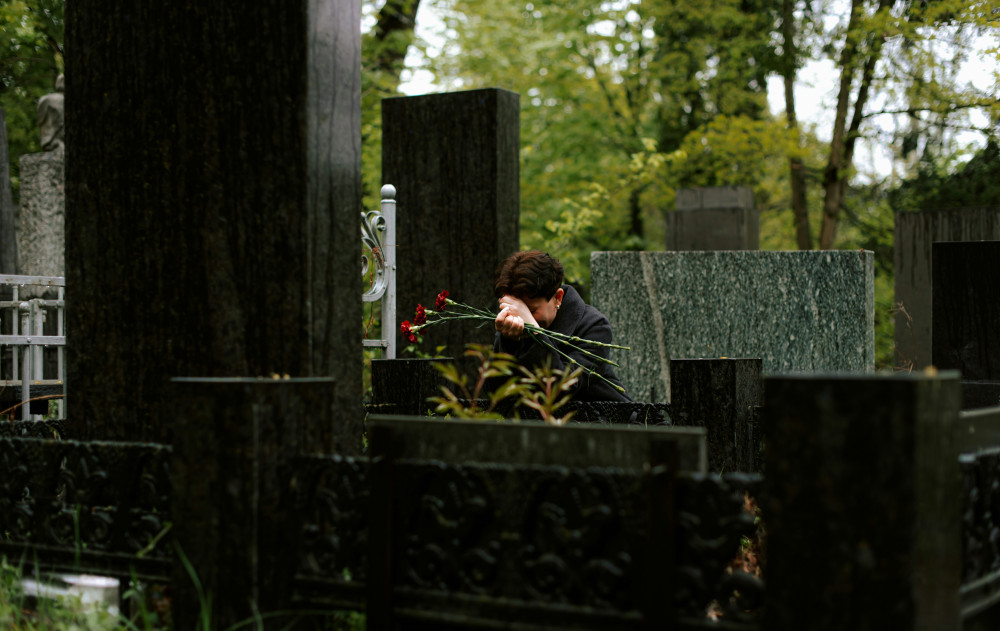
Restlessness in the Body – When Grief Feels Like Restless Energy

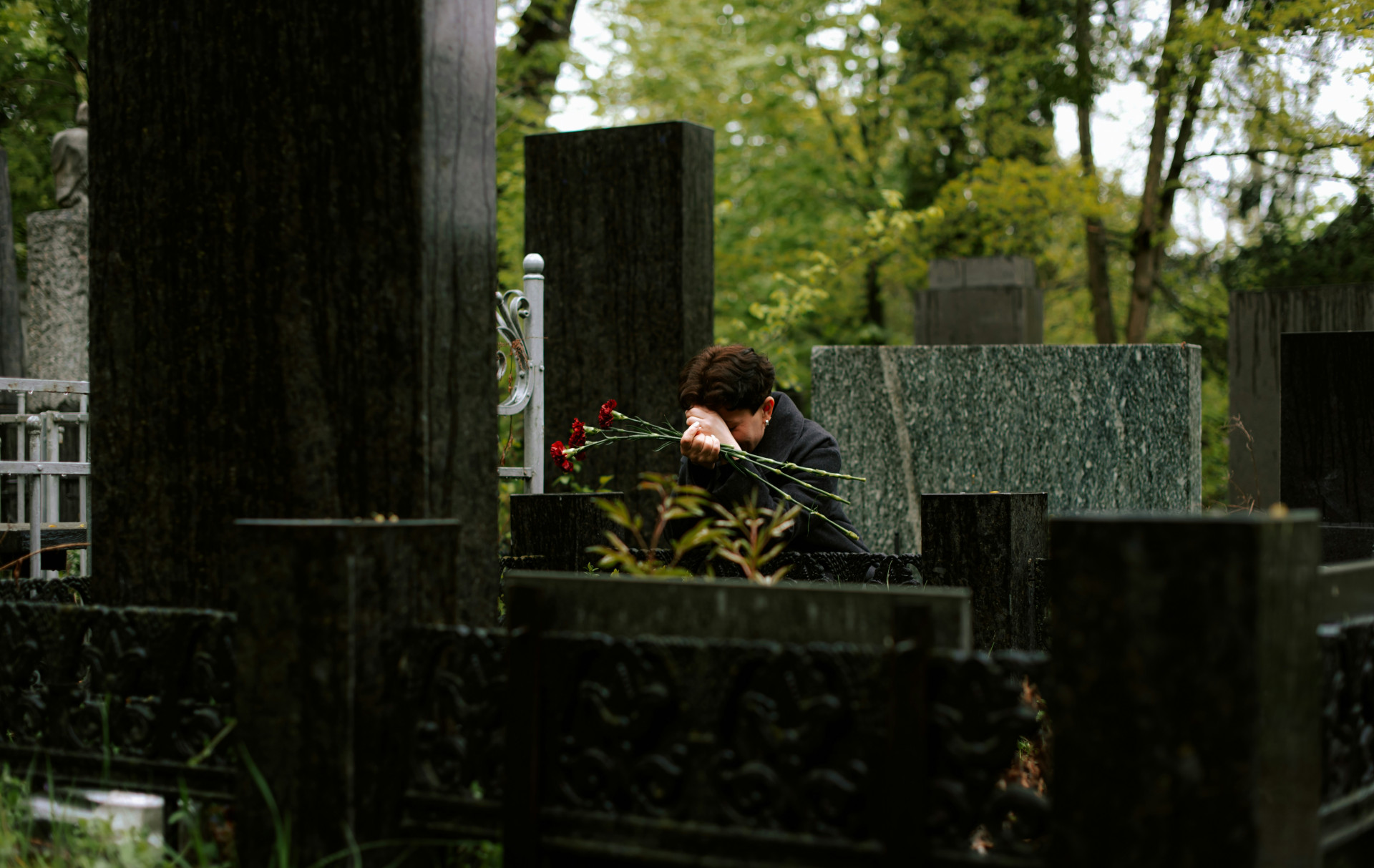
Restlessness in the Body – When Grief Feels Like Restless Energy
When we lose someone we love, most of us expect grief to feel heavy — full of tears, stillness, and exhaustion. But for many, it shows up in a completely different way: as restlessness, a buzzing energy that won’t quiet down. You might find yourself pacing, unable to sleep, or feeling like you need to do something, anything, to release the tension. This kind of grief can be confusing, but it’s not unusual. It’s the body’s way of responding to overwhelming emotion.
When the Body Reacts Before the Mind
Grief isn’t just emotional — it’s physical. When we experience loss, our body’s stress response is triggered. Adrenaline rises, the heart beats faster, and muscles tighten. It’s the same biological system that once helped our ancestors survive danger, now activated by emotional pain. The result can feel like an inner restlessness that doesn’t seem to match the sadness we expect.
Many people describe it as having “too much energy” without knowing where to put it. You might feel compelled to clean, walk for miles, or throw yourself into work. This is your body’s attempt to manage feelings that are too big to sit still with.
Restlessness as Part of the Grieving Process
It can be unsettling when grief doesn’t feel quiet and heavy, but active and agitated. Some people worry they’re “grieving wrong” — that they should be more tearful, more withdrawn, more still. But grief has many forms, and restlessness is one of them.
The energy you feel may be your body’s way of searching for balance. When everything in your world has been turned upside down, your nervous system looks for control. Movement and activity can offer a temporary sense of stability — and that’s completely natural.
Læs også:



Giving the Restlessness Somewhere to Go
Instead of fighting the restlessness, it can help to give it direction. This isn’t about avoiding grief, but about allowing your body to express it.
- Move with intention. Go for walks, run, dance, or try gentle yoga. Physical activity helps release stress hormones and calm the nervous system.
- Use your hands. Gardening, cooking, or creative projects can bring focus and a sense of grounding.
- Write or talk. When your thoughts are racing, putting them into words — on paper or in conversation with a friend, therapist, or support group — can bring relief.
- Create small moments of stillness. Even brief pauses — a warm shower, deep breathing, or a quiet cup of tea — can signal to your body that it’s safe to rest.
The goal is to find a rhythm that allows both movement and rest, expression and quiet.
When the Restlessness Becomes Overwhelming
For some, the physical agitation becomes so strong that it disrupts sleep, focus, or daily life. If you feel like your body is constantly on high alert, it may be a sign that your nervous system needs extra support.
Talking with a therapist or grief counselor can help you understand and regulate these reactions. Some people also find comfort in body-based therapies such as massage, breathwork, or mindfulness practices that help the body settle again.
Seeking help isn’t a sign of weakness — it’s a way of giving your grief the care and space it needs.
Finding Calm Within Movement
The restlessness of grief doesn’t disappear overnight. But over time, as your mind begins to accept what has happened, your body will start to calm. Many people find that the restless energy gradually transforms into a quiet strength — an ability to live again, even with loss as a companion.
Feeling restless in grief doesn’t mean you’re doing it wrong. It means you’re alive, feeling, and finding your way through something deeply human. And that, in itself, is part of healing.
Læs også: