Find Your Ceramic Voice: Play, Repetition, and Experimentation in the Studio

Find Your Ceramic Voice: Play, Repetition, and Experimentation in the Studio
Working with clay is more than shaping bowls and mugs—it’s a process where hands, senses, and curiosity meet. In the ceramic studio, mistakes become lessons, repetition becomes rhythm, and experimentation leads to new forms of expression. Finding your ceramic voice isn’t about mastering technique from day one; it’s about daring to play, explore, and let the material guide you.
Play as a Creative Force
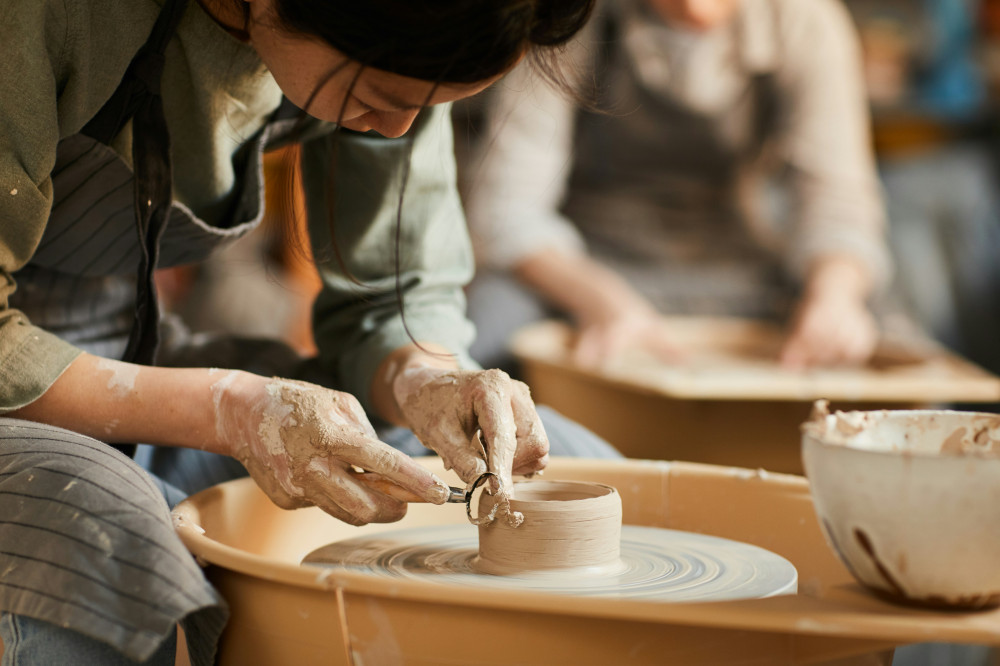
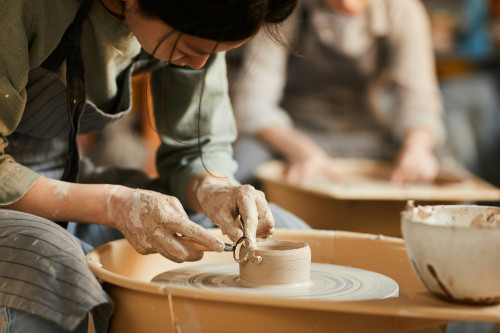
When you first start working with clay, it’s easy to focus on achieving the perfect result. But many experienced potters will tell you that play is what unlocks creativity. Pressing, pulling, cutting, and shaping without a fixed goal can lead to surprising results—and a deeper understanding of the material.
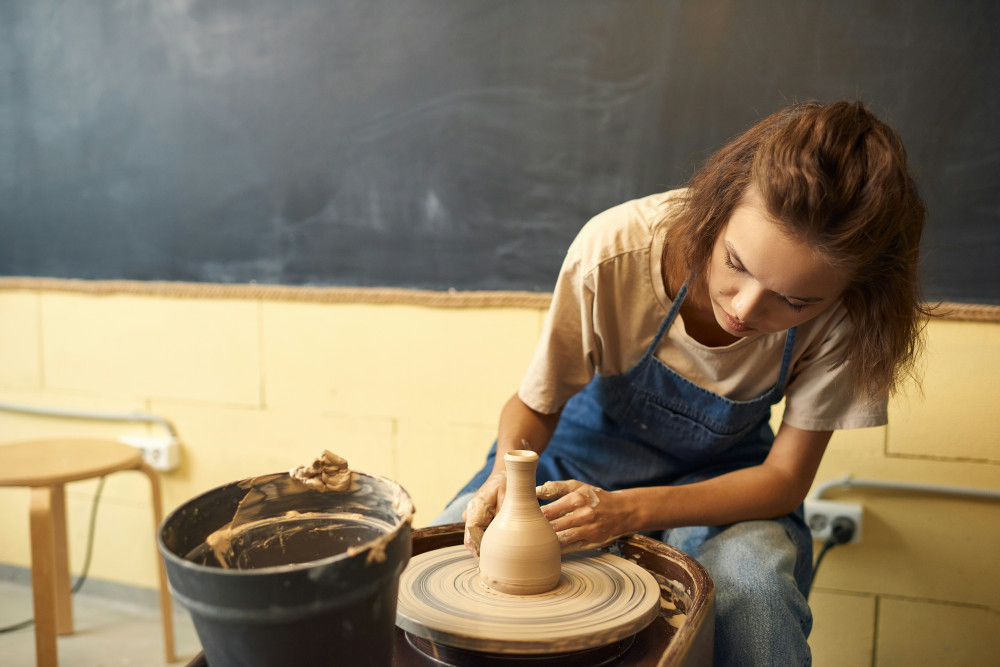
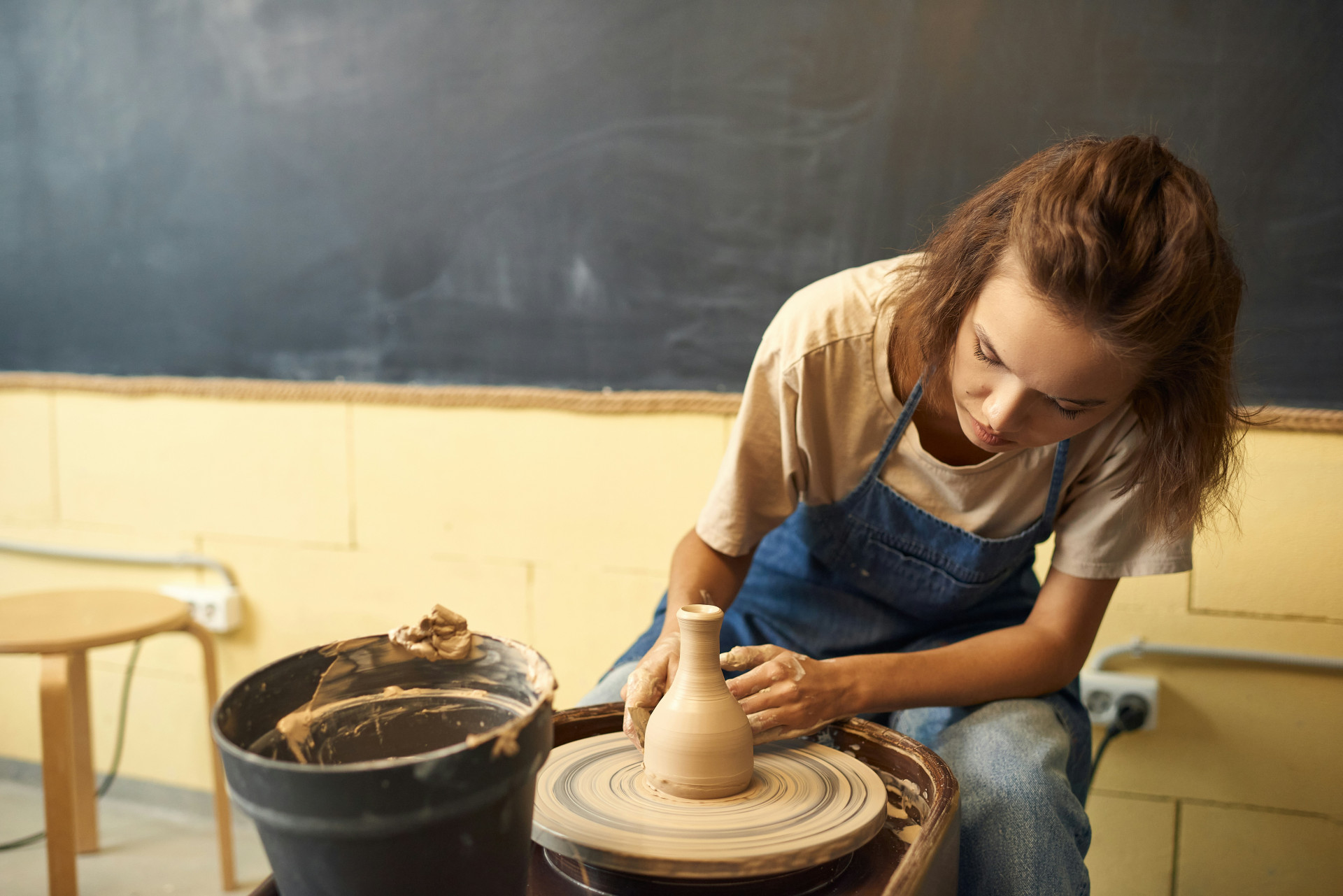
Try giving yourself small, pressure-free challenges: throw ten different cups in an hour, or shape a bowl with your eyes closed. The goal isn’t to make something functional, but to feel how the clay responds. Play loosens expectations and makes room for intuition.
Repetition as a Path to Mastery
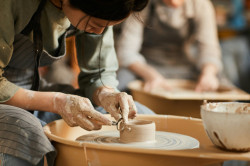
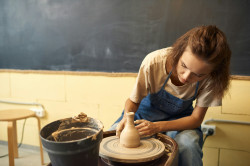
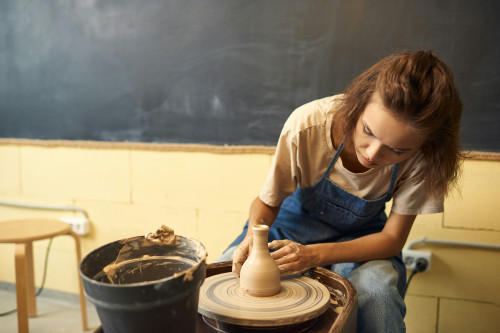
Repetition might sound dull, but in ceramics it’s one of the most powerful ways to grow. When you throw the same form again and again, you start to notice subtle differences—in thickness, balance, and proportion. Each repetition becomes an opportunity to adjust and refine.
Many potters describe repetition as a kind of meditation. It creates calm and rhythm, allowing you to focus deeply on the details. At the same time, small variations often spark new ideas. It’s in the tension between control and chance that your personal style begins to emerge.
Experimenting with Materials and Techniques
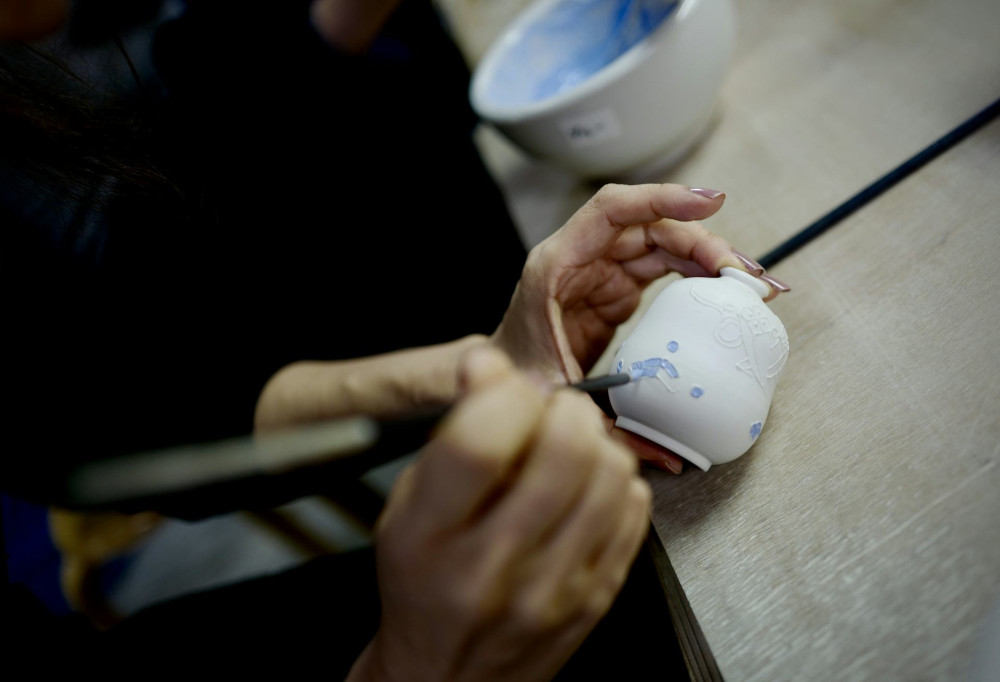
Ceramics offers endless possibilities for experimentation. You can mix different clays, test new glazes, or combine hand-building with wheel-throwing. Some experiments will fail—others will open entirely new directions.
A good approach is to change one variable at a time: try a new firing temperature, a different glaze thickness, or an unexpected surface treatment. Keep notes on what you do and how it turns out. That way, your experiments become part of your learning process rather than random attempts.
Embracing Mistakes
In ceramics, mistakes are inevitable—and invaluable. A warped rim, a crack in the glaze, or an unexpected color can be frustrating, but they can also be inspiring. Many of the most distinctive pieces are born from moments when things didn’t go as planned.
Accepting mistakes as a natural part of the process makes it easier to take creative risks. Instead of seeing them as failures, view them as traces of your journey—evidence that you dared to experiment. Often, it’s in these imperfections that your ceramic voice begins to shine through.
Læs også:


Shaping Your Own Expression
As you play, repeat, and experiment, you’ll start to notice certain forms, colors, or surfaces that resonate with you. Maybe you’re drawn to rough, organic textures, or perhaps you prefer clean, precise lines. Your ceramic voice is the sum of your choices, experiences, and mistakes—a language that can only develop through practice.
The most important thing is to keep exploring. Even seasoned potters return to the basics again and again, because clay always has more to teach. Finding your ceramic voice isn’t a destination—it’s an ongoing conversation between your hands, the material, and your curiosity.
Læs også: