Material Magic: Create Contrast and Harmony in Your Functional Art

Material Magic: Create Contrast and Harmony in Your Functional Art
When you work with functional art—whether it’s ceramics, textiles, wood, or metal—it’s not just about form and function. The materials themselves tell stories, and the way you combine them can create both contrast and harmony. That’s where the magic happens: when surfaces, colors, and textures interact to elevate an everyday object into something extraordinary.
In this article, you’ll find inspiration for how to use materials intentionally in your creative work—so your pieces reflect both personality and balance.
Understand the Language of Materials
Every material has its own character. Wood feels warm and organic, metal is cool and precise, while ceramics can be both rustic and refined. Once you learn to read the qualities of each material, it becomes easier to use them in ways that support the expression you want to achieve.
- Wood brings warmth and a natural touch. It pairs beautifully with matte finishes and soft fabrics.
- Metal adds edge and modernity. It creates tension and excitement when contrasted with natural materials.
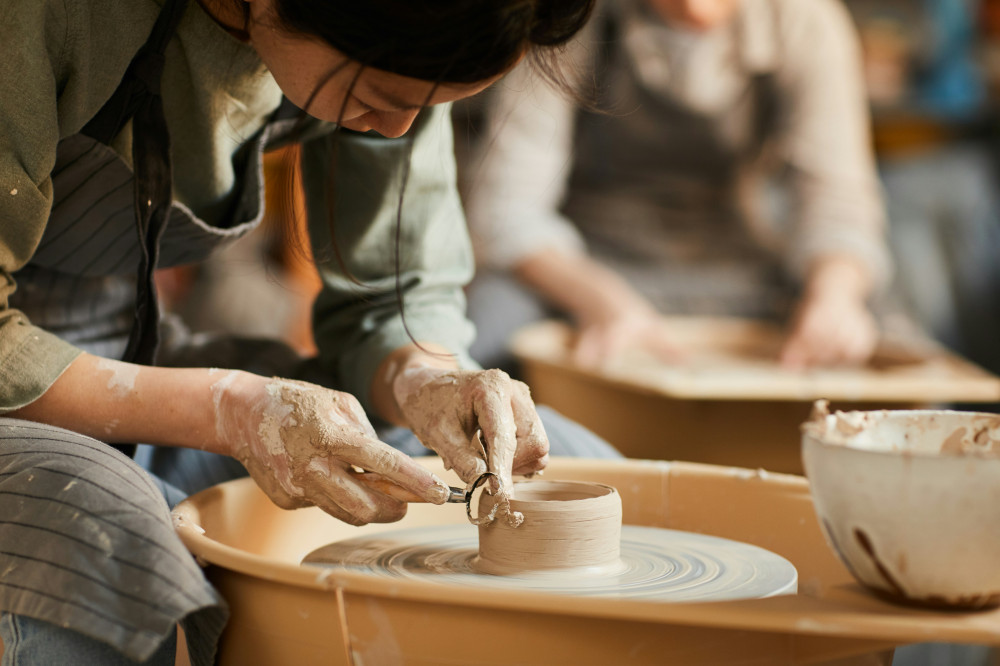
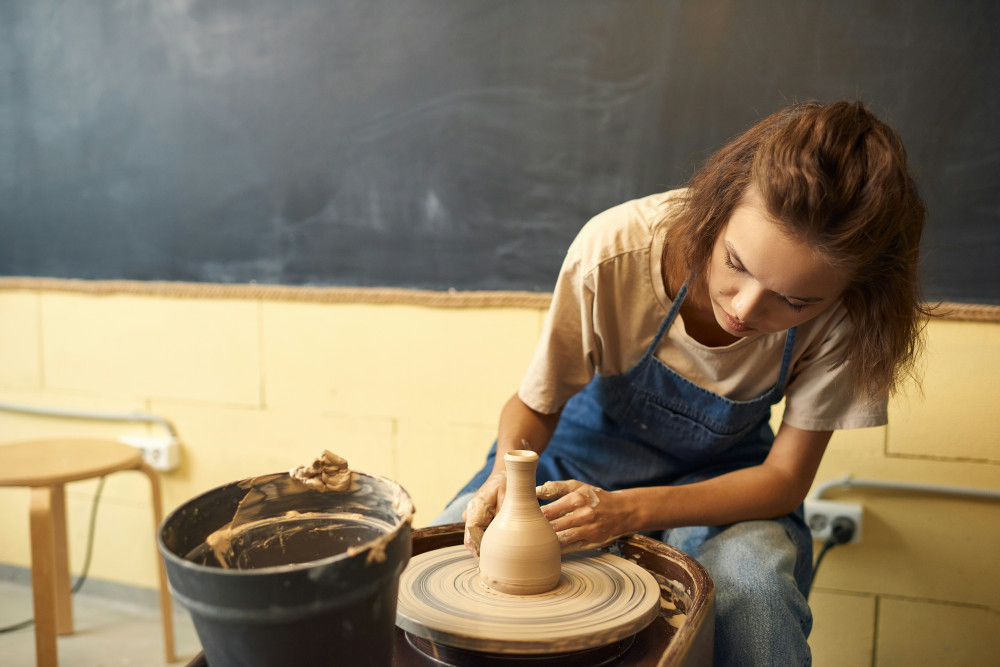
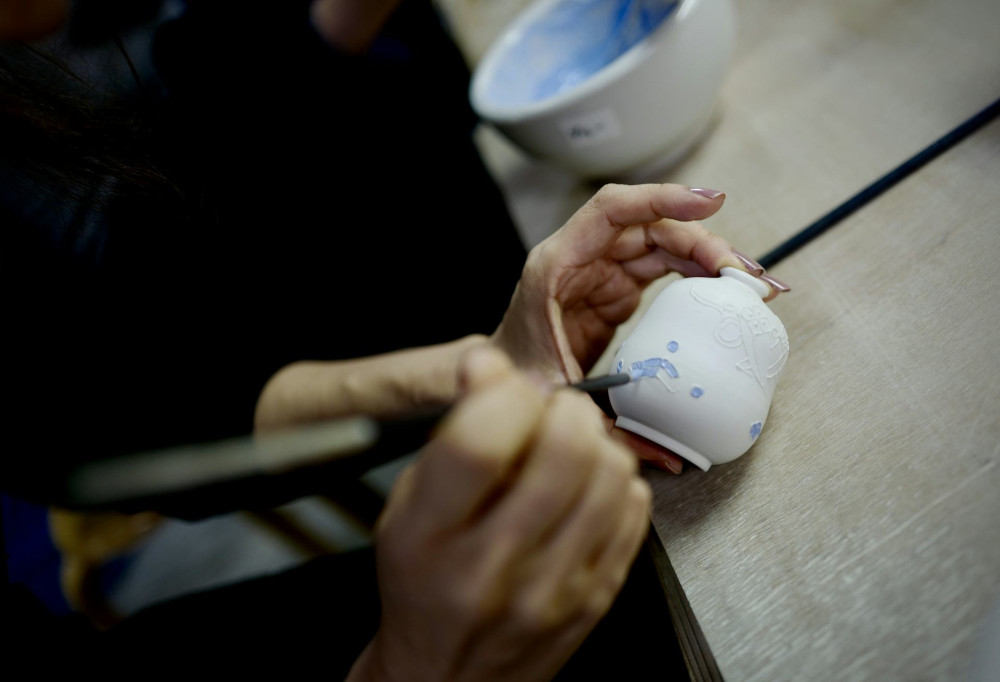
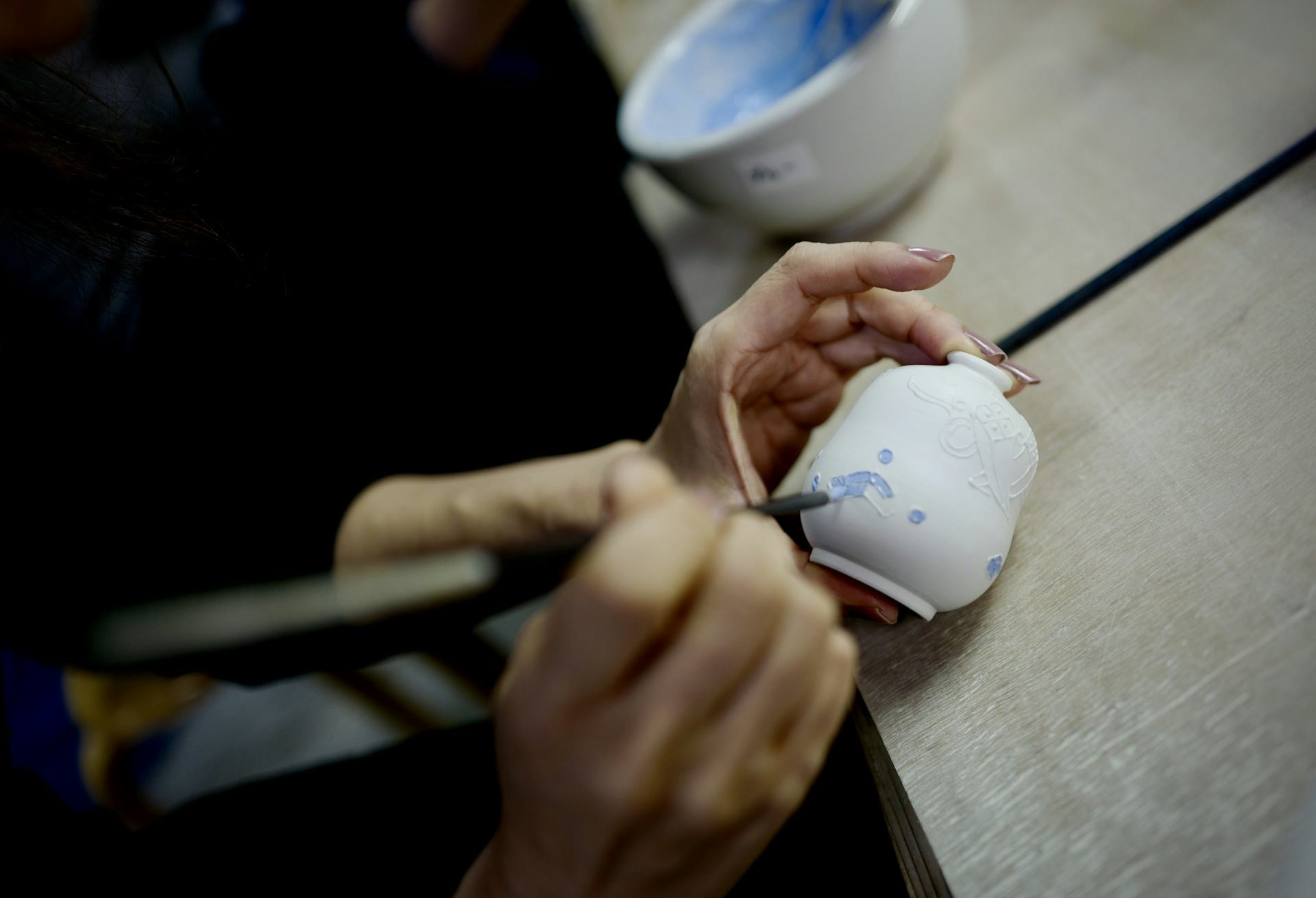
- Ceramics offer endless variety—from glossy, glazed surfaces to rough, hand-thrown textures.
- Textiles soften the overall look and can tie different materials together through color or pattern.
When combining materials, think about how they feel, not just how they look. A smooth surface next to a rough one can create a tactile experience that makes your work come alive.
Læs også:

Create Contrast with Intention
Contrast is one of the most powerful tools in functional art. It can appear in color, texture, form, or weight. But for contrast to work, it must be intentional—not accidental.
Try pairing brushed steel with unfinished oak for a modern yet grounded look. Or place a glossy ceramic bowl on a coarse linen runner—each material will highlight the other’s qualities.
A good rule of thumb: choose one element to break the pattern rather than letting everything compete for attention. If everything contrasts, nothing stands out.
Find Harmony in the Whole
Where contrast brings energy, harmony brings calm. Harmony arises when materials, colors, and shapes speak the same visual language—without necessarily being identical.
You can create harmony by repeating a material throughout a piece or by sticking to a cohesive color palette. For example, a set of bowls in different sizes but with the same glaze feels unified and serene.
Also consider proportion. A heavy material like stone or iron can be balanced by something light and airy, such as glass or fabric. This interplay gives your work both weight and lift.
Play with Surfaces and Textures
Surface is what the eye and hand encounter first. It can be smooth, matte, glossy, rough, soft, or grainy—and this is where you can add depth to your design.
A matte surface absorbs light and feels understated, while a glossy one reflects and adds vibrancy. Combining the two can create subtle visual movement.
Experiment with layers: a glazed surface meeting an unglazed edge, or a woven fabric intersected by a metallic thread. It’s in these small details that the magic truly appears.
Let Nature Inspire You
Nature is a master of contrast and harmony. Think of a rocky shoreline: smooth pebbles against soft sand, cool tones beside warm sunlight. By observing natural materials and color relationships, you can find ideas for your own combinations.
Take photos, collect small samples, and create a material collage before you start. This helps you visualize how different surfaces and tones interact before you begin shaping your piece.
Embrace the Imperfect
In a world of mass production and uniform design, the handmade and imperfect can be a strength. A slight variation in glaze or a visible joint in wood tells the story of something made by hand—not by machine.
Imperfection can be what gives your work soul. It’s not about making mistakes, but about letting the material show its natural character.
When you allow space for the unpredictable, the result often feels more alive and personal.
Everyday Material Magic
You don’t need to create large-scale art to practice material magic. It can live in the small things: a hand-thrown mug, a woven dish towel, or a wooden tray with metal handles.
When you think about how materials interact, even the most ordinary objects become small sensory experiences. And perhaps that’s what functional art is really about—making everyday life more beautiful, more tactile, and more mindful.
Læs også: