From Room to Room: How to Create a Cohesive Interior Throughout Your Home

From Room to Room: How to Create a Cohesive Interior Throughout Your Home
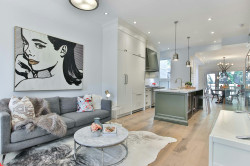
A home feels most inviting when every room connects—when colors, materials, and atmosphere flow naturally from one space to the next. But how do you create that sense of unity without making everything look the same? The key is to find a visual thread that ties your home together while allowing each room to express its own personality. Here’s how to design a cohesive interior that feels balanced, intentional, and uniquely yours.
Begin with the Big Picture
It’s tempting to decorate one room at a time, but if you want your home to feel harmonious, start by thinking holistically. Consider how each space relates to the others—both visually and functionally.
Create a mood board with images, colors, and materials that capture the overall feeling you want in your home. Maybe you’re drawn to “coastal calm” with soft blues and natural textures, or “modern warmth” with rich woods and matte black accents. Once you have a clear direction, every design decision becomes easier and more consistent.
Use Color as Your Connecting Thread
Color is one of the most powerful tools for creating flow. That doesn’t mean every wall needs to be the same shade, but your palette should feel coordinated.
- Choose a base palette of three to five colors that appear throughout your home. Combine timeless neutrals with a few accent tones for depth and interest.
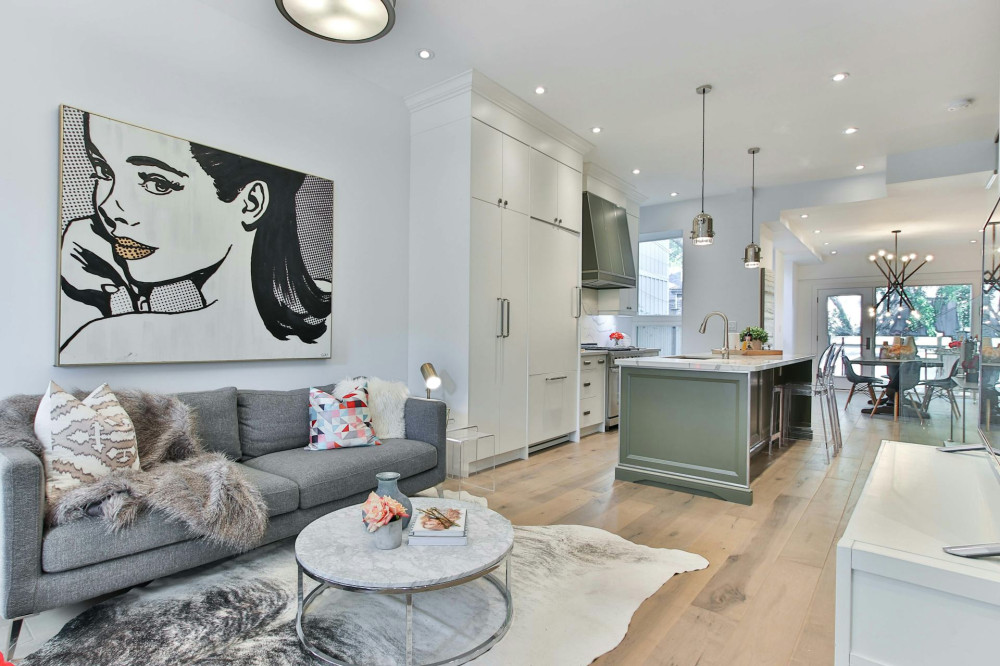
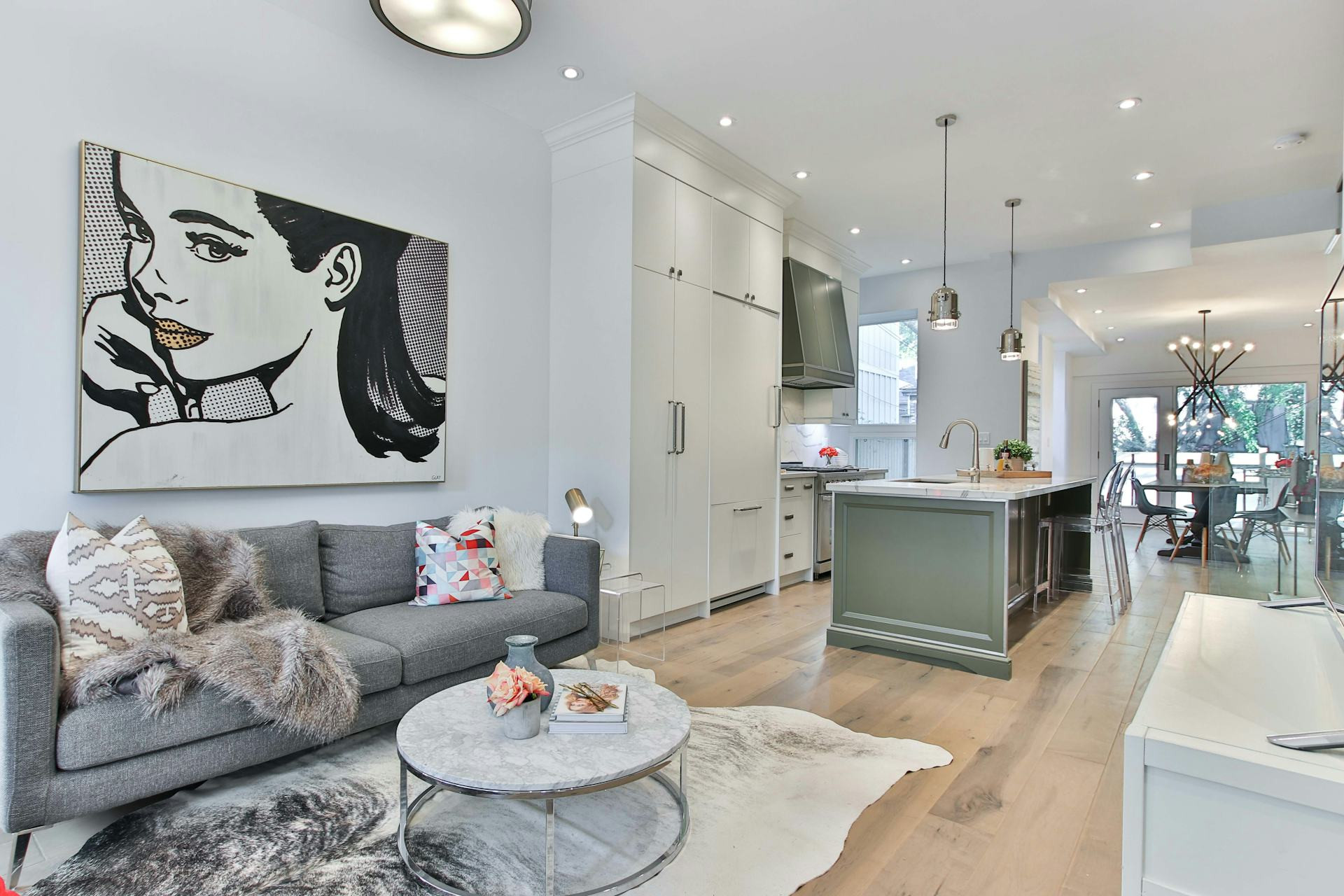
- Repeat colors in details—pillows, artwork, rugs, or light fixtures—so the eye recognizes familiar hues from room to room.
- Pay attention to transitions. When you look from one room into another, the colors should complement each other, creating a smooth visual flow.
A simple trick is to use variations of the same color—perhaps a deeper tone in the living room and a lighter one in the bedroom. This approach adds variety without breaking the sense of unity.
Materials and Textures That Tie It All Together
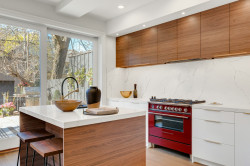
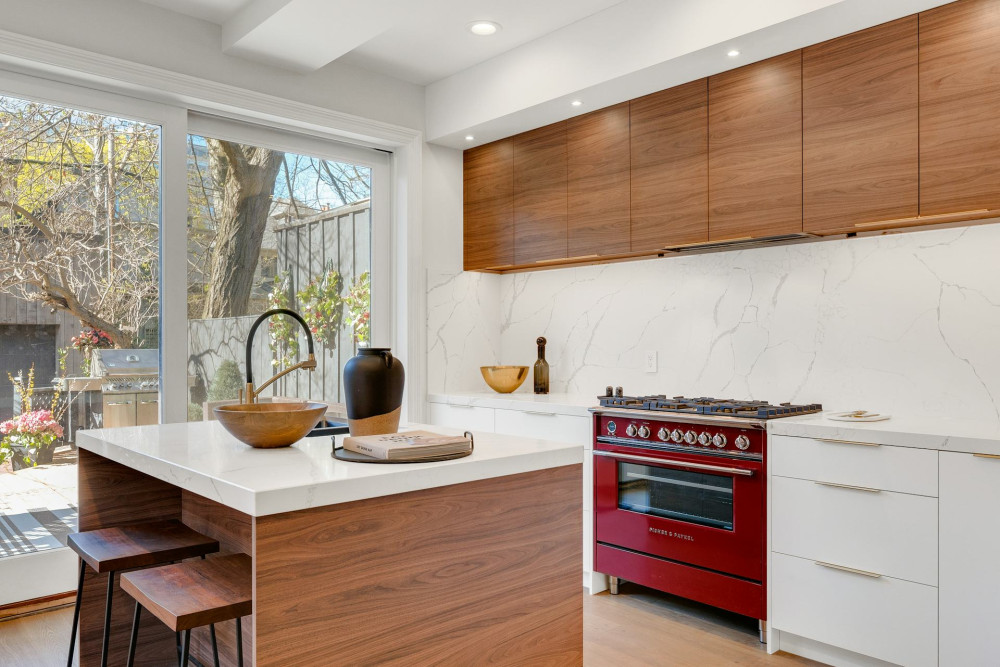
Materials have a huge impact on how your home feels. Repeating certain materials creates calm and continuity. If you have oak cabinetry in the kitchen, echo that wood in your dining table or picture frames.
The same goes for textiles: choose fabrics that complement each other in texture and tone. A chunky knit throw in the living room can pair beautifully with linen bedding in the bedroom if the colors are related. These subtle connections make your home feel thoughtfully layered and cohesive.
Lighting: The Unsung Hero of Cohesion
Lighting can make or break the atmosphere of a home. Think in layers—ambient, task, and accent lighting—and repeat certain materials or shapes in your fixtures to create rhythm.
Also, consider the color temperature of your bulbs. Warm light throughout the home creates a cozy, unified feel, while mixing cool and warm tones can be jarring. Consistency in lighting helps maintain a harmonious mood from one space to the next.
Repetition Without Repetition: Keeping Personality Alive
Cohesion doesn’t mean uniformity. A home feels alive when there’s variety and personality. The goal is to repeat certain elements so the spaces relate, not to make them identical.
You might repeat:
- A specific wood tone or metal finish.
- A signature color that appears in small accents.
- A design style—like mid-century modern or farmhouse chic.
- Artwork or photography that shares a theme or color story.
These recurring details act like a visual rhythm, giving your home a sense of continuity while allowing each room to shine on its own.
Læs også:


Transitions and Flow
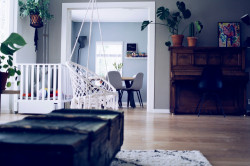
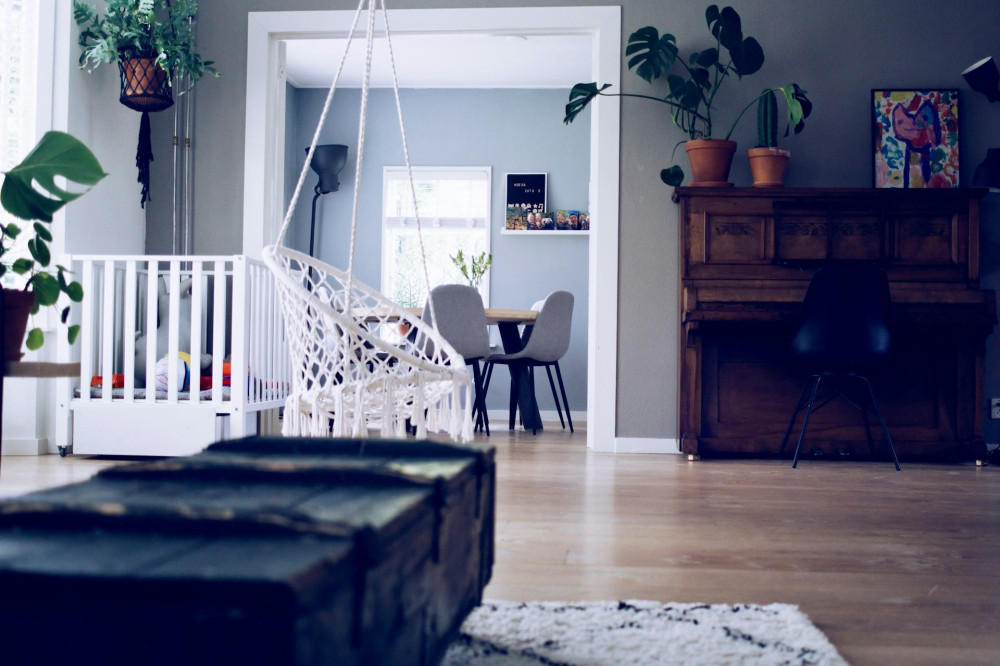
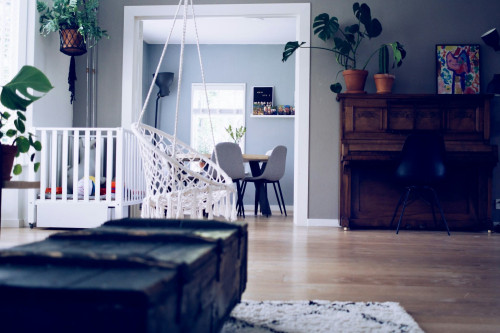
Think about how people move through your home. Transitions between rooms can be subtly marked with a rug, a plant, or a pendant light that draws the eye forward. Avoid abrupt visual breaks—like clashing colors or bulky furniture that blocks sightlines.
A good test is to stand in a doorway and look into the next room. Do the spaces feel connected? If something feels off, small adjustments—like repeating a color or adding a shared texture—can make a big difference.
Balance Function and Aesthetics
A cohesive home isn’t just about looks—it’s about livability. Make sure your layout and storage solutions fit your lifestyle. When your home functions well, it naturally feels calmer and more put-together. Practical design choices support the visual harmony you’ve worked to create.
A Home That Feels Whole
When colors, materials, lighting, and atmosphere align, your home feels intentional and serene. Cohesion doesn’t mean perfection—it means every choice has purpose. The result is a space that feels balanced, welcoming, and personal—a home where you can move from room to room and always feel at ease.
Læs også: