When Home Becomes Flexible: New Lifestyles Shaping the Future of Housing Trends

When Home Becomes Flexible: New Lifestyles Shaping the Future of Housing Trends
In recent years, the way Americans live, work, and connect with their homes has changed dramatically. The boundaries between work, leisure, and family life have blurred, and that shift is reshaping housing trends across the country. The home is no longer just a place to live—it’s a space that must adapt to multiple roles and life stages. Flexibility, sustainability, and individuality are becoming the cornerstones of the homes of the future.
The Home as a Multifunctional Space
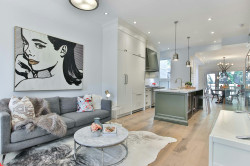
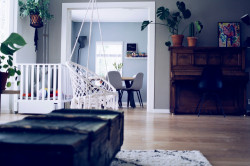
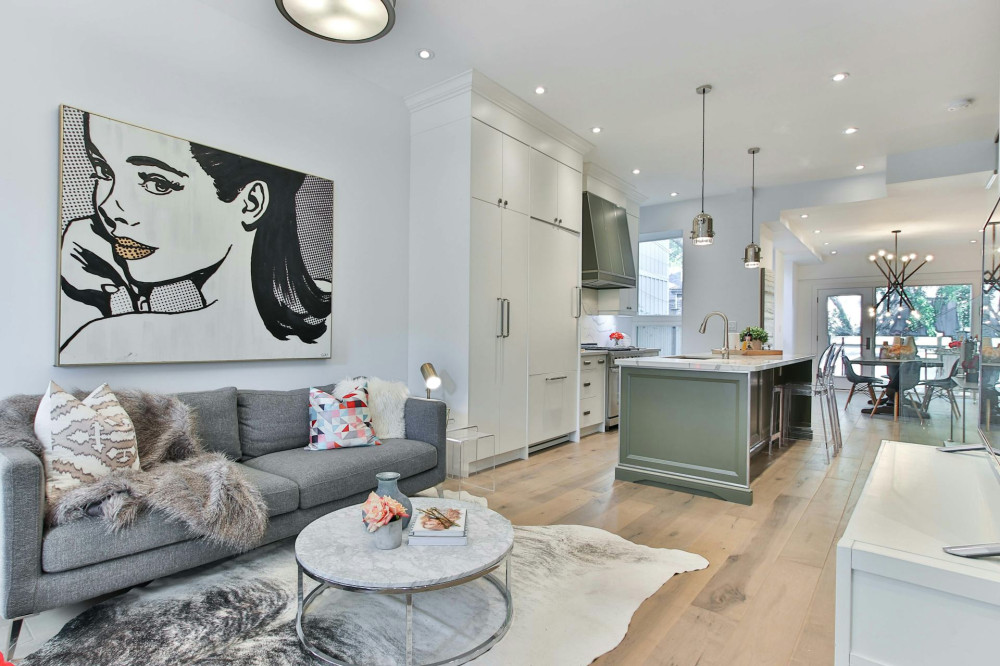
The traditional idea of separate rooms for specific purposes is fading. Living rooms double as offices, kitchens become classrooms, and garages transform into gyms or studios. With remote and hybrid work now a permanent part of many people’s lives, homes must be designed to accommodate change throughout the day.
Multifunctional furniture—foldable desks, modular sofas, and movable partitions—makes it easier to shift between work and relaxation. It’s no longer about having more square footage, but about using every inch wisely. Compact, adaptable design is redefining what comfort and practicality mean in modern American homes.
Flexibility as a Lifestyle
Flexibility is not just a design choice—it’s a way of living. Young professionals who work remotely, families with evolving needs, and retirees who want to age in place are all looking for homes that can grow and change with them. Movable walls, convertible layouts, and adaptable furniture allow spaces to transform as life does.
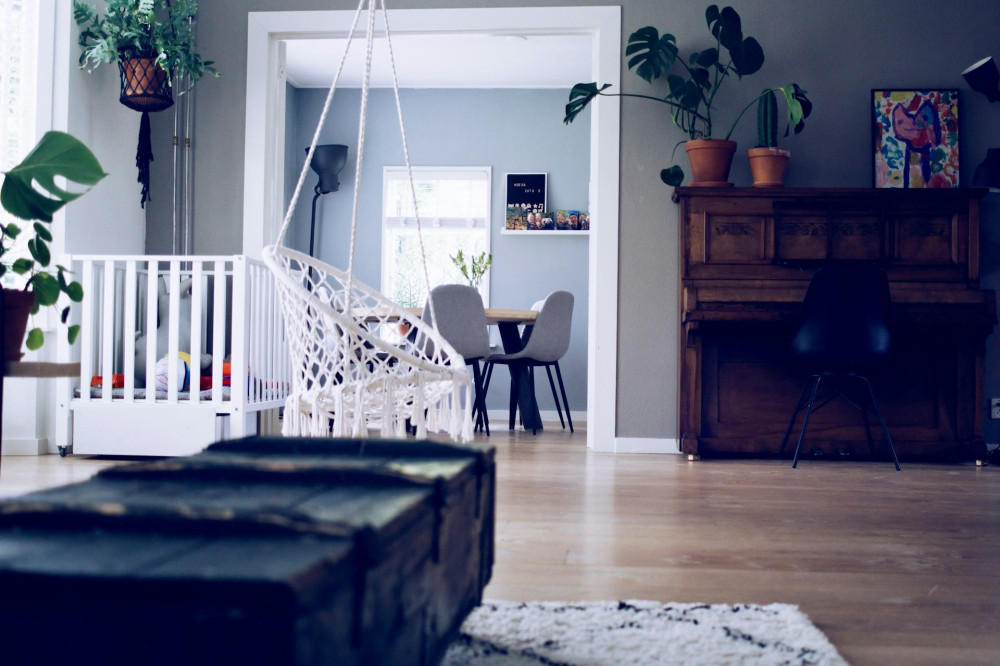
Architects and developers are increasingly embracing “adaptive architecture,” designing buildings that can evolve over time. A nursery can become a home office, a basement can turn into a rental unit, and an attic can serve as a creative studio. This approach makes both economic and environmental sense, ensuring that homes remain relevant and functional for decades.
Sustainability and Conscious Living
Flexibility and sustainability go hand in hand. When a home can adapt, there’s less need for constant renovation or replacement. Recycled materials, modular construction, and durable design are becoming key elements in sustainable housing.
Many Americans are also embracing a “less but better” mindset—investing in quality pieces that last, choosing materials that age gracefully, and supporting local makers and craftspeople. The result is a home that feels both personal and responsible, reflecting a growing awareness of environmental impact and mindful consumption.
Læs også:


Technology That Adapts to You
Smart home technology has moved beyond novelty—it’s now about comfort, efficiency, and personalization. Lighting, temperature, and sound can adjust automatically throughout the day, while voice assistants and connected devices simplify daily routines.
Yet the most advanced technology is often the least visible. Instead of dominating the space, it’s being seamlessly integrated into materials and furniture, creating homes that feel warm and human rather than mechanical. The best technology is the kind that quietly enhances life without taking center stage.
Community and New Ways of Living
Flexibility extends beyond the walls of the home. Across U.S. cities, new living models like co-housing, co-living, and shared communities are gaining traction. These arrangements allow residents to share resources—gardens, workshops, guest rooms—while maintaining private living areas.
For many, this balance between independence and community is deeply appealing. It offers a way to live smaller but experience more, combining affordability with social connection. In a time when loneliness and housing costs are both rising, shared living models offer a meaningful alternative.
A Home in Constant Motion
The home of the future is not static—it’s a living space that evolves with its inhabitants. The flexible home is both practical and personal, a place where design, technology, and lifestyle meet in harmony.
When home becomes flexible, it becomes more human. It’s not about chasing trends, but about creating spaces that can hold life’s many changes—spaces that offer room for rest, creativity, and connection in an ever-changing world.
Læs også: