Mental Strength Through Sports: Focus, Discipline, and Resilience in Motion

Mental Strength Through Sports: Focus, Discipline, and Resilience in Motion
Sports are about far more than physical performance. Behind every sprint, every swing, and every repetition in the gym lies a mental process that shapes who we are. Whether you’re exercising for health or competing at a high level, you’re developing qualities that reach far beyond the field: focus, discipline, and resilience. This article explores how sports can strengthen the mind—and how you can apply those mental tools in everyday life.
Focus – The Art of Being Present
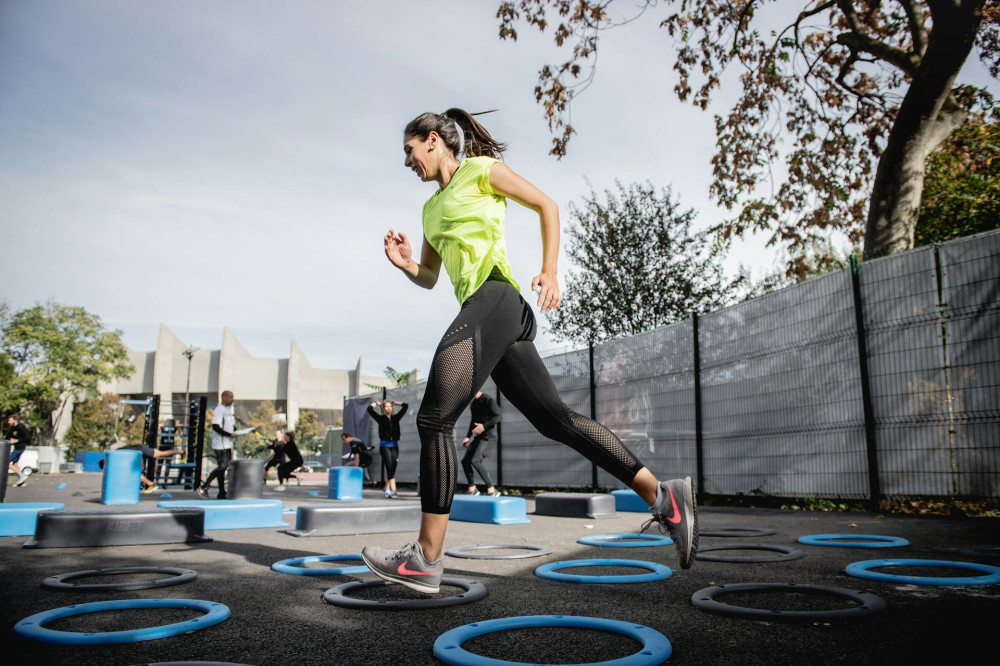
In a world filled with constant notifications, multitasking, and pressure to stay connected, sports offer a rare opportunity to be fully present. When you run, swim, or play a game, your attention narrows to the moment—you feel your body, your rhythm, your breath. Everything else fades away.
This ability to focus can be trained. Many athletes use mental techniques such as visualization and controlled breathing to sharpen concentration. It’s about shifting attention from worries and expectations to what you can control right now. That same skill can help you stay calm and effective at work, in school, or during stressful moments in daily life.
Discipline – Doing the Work When It’s Hard
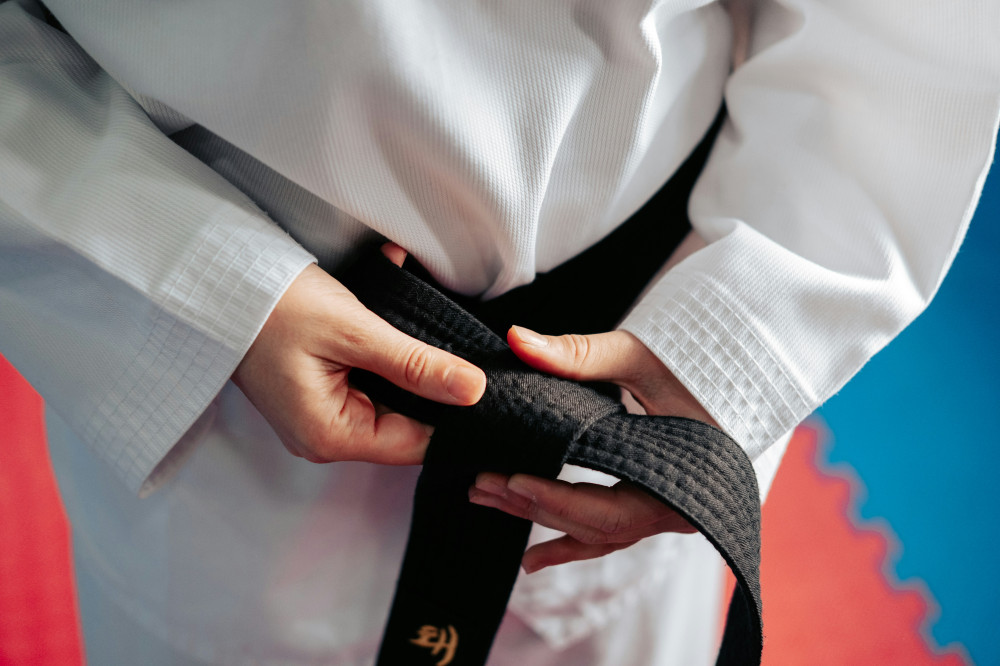
Discipline may be the most underrated form of mental strength. It’s the quiet force that gets you to practice when the couch looks tempting. Through sports, you learn that progress rarely comes overnight—it’s built through repetition, patience, and persistence.
This lesson translates directly to other areas of life. Once you’ve experienced how small, consistent efforts lead to big results in training, it becomes easier to stay committed to long-term goals—whether in your career, education, or personal growth. Discipline isn’t about being harsh on yourself; it’s about taking responsibility for your development and showing up even when motivation dips.
Resilience – Rising After Setbacks
No one escapes adversity, in sports or in life. Injuries, losses, and off days are part of the journey. But this is where sports offer one of their greatest mental gifts: the ability to bounce back. Athletes learn early that mistakes and defeats aren’t endpoints—they’re opportunities to learn and grow.
Resilience means maintaining belief in yourself even when things don’t go as planned. It requires reflection, support from others, and an understanding that progress is rarely linear. When you learn to handle setbacks in sports, you build the emotional endurance to face life’s challenges with perspective and confidence.
The Power of Community in Building Mental Strength
Although sports often highlight individual performance, community plays a crucial role in mental well-being. Teammates, training partners, and coaches create an environment where success is celebrated and struggles are shared. That sense of belonging fosters motivation and reminds us that strength doesn’t mean going it alone.
For many women and underrepresented groups in sports, this community can also be a source of empowerment. Seeing others push through challenges and support one another builds confidence and solidarity that extend far beyond the gym or playing field.
Læs også:



Sports as Everyday Mental Training
You don’t need to be a professional athlete to benefit from the mental rewards of physical activity. A morning walk, a yoga session, or a weekend bike ride can all help sharpen focus and restore balance. The key is to find a form of movement that feels meaningful to you—and to view it as an investment in both body and mind.
When you move, you’re not just training muscles; you’re strengthening your ability to be present, persistent, and resilient. These are the qualities that make you stronger—not only as an athlete, but as a person.
Læs også: