Rediscover Balance with Pilates: Strength and Calm After a Workout Break

Rediscover Balance with Pilates: Strength and Calm After a Workout Break
After taking a break from exercise, getting back into a routine can feel daunting. Your body might feel heavier, your muscles less flexible, and your motivation a bit rusty. That’s where Pilates can make all the difference—a mindful form of movement that blends strength, control, and calm. With its focus on breathing, body awareness, and stability, Pilates helps you rebuild both physical strength and mental clarity at a pace that feels right for you.
A Gentle Yet Powerful Restart
Pilates is known for its low-impact approach, but don’t be fooled—it can be both challenging and deeply effective. Unlike many high-intensity workouts, Pilates isn’t about pushing your body to the limit. It’s about restoring balance between strength and flexibility.
After a break, easing back in is key. Pilates allows you to do just that: rebuild your core, improve posture, and strengthen the small stabilizing muscles that often get neglected. Whether you’re returning after an injury, a busy season, or simply needed time off, Pilates offers a safe and supportive way to reawaken your body.
Læs også:
Centering the Core—Body and Mind
The core is the heart of Pilates. Every movement begins there, and it’s where you’ll rediscover your strength. Exercises target the muscles around your abdomen, back, and pelvis, improving not only physical stability but also your sense of body awareness.
Pilates also carries a meditative quality. The steady rhythm and intentional breathing help calm the mind and sharpen focus. Many people find that Pilates not only strengthens the body but also brings a sense of clarity and presence—a welcome contrast to the fast pace of everyday life.
Getting Started Again
If you’re new to Pilates or haven’t practiced in a while, consider starting with a beginner class or an online session that covers the fundamentals. Here are a few tips for a smooth restart:
- Start slowly – Give your body time to adjust to the movements.
- Listen to your body – Discomfort is a signal, not a goal. Stop if something doesn’t feel right.
- Focus on form – Quality over quantity. Small, controlled movements deliver the best results.
- Mix in light activity – Walking or gentle stretching can complement your Pilates practice.
- Be patient – Progress takes time, but the benefits are lasting.
Equipment and Environment
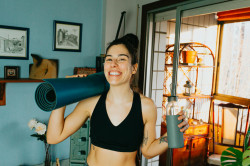
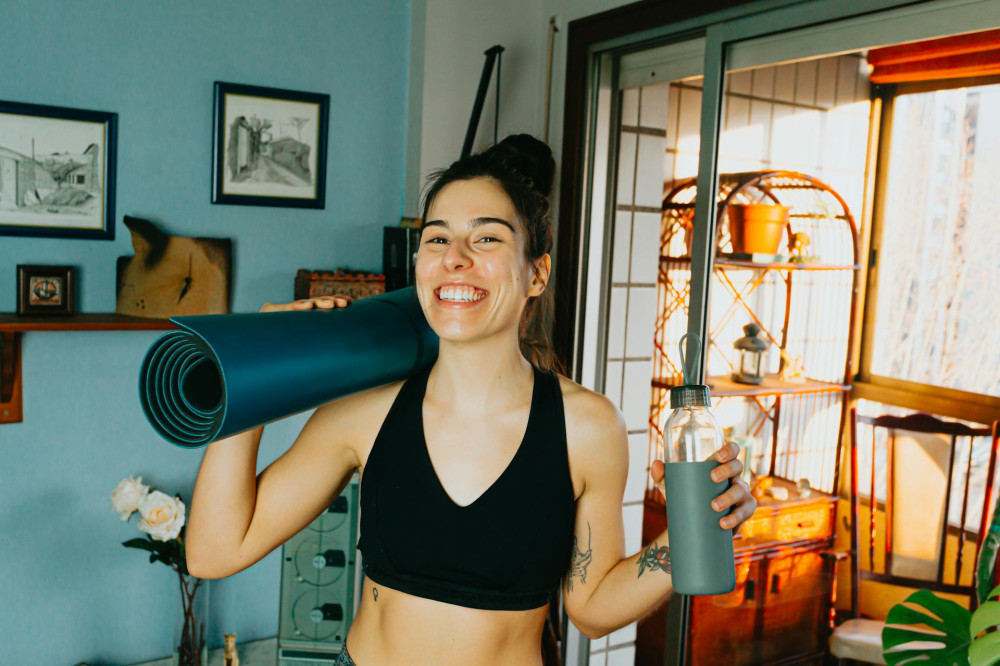
One of the great things about Pilates is that you don’t need much to begin. A good mat and comfortable clothing are enough to start. As you progress, you can add small props like resistance bands, balls, or a Pilates ring to vary your workouts.
You can practice at home, at a gym, or in a dedicated Pilates studio. Many people find that group classes provide extra motivation and a sense of community—especially helpful when you’re rebuilding your routine after a break.
Why Pilates Is the Perfect Comeback Workout
Pilates is more than just exercise—it’s a way to rebuild trust in your body. You learn to move with control, breathe deeply, and feel how strength and calm work together. With regular practice, Pilates can:
- Improve posture and balance
- Increase flexibility and muscle tone
- Relieve tension in the neck, shoulders, and lower back
- Enhance concentration and body awareness
- Promote a sense of calm and well-being
This blend of physical and mental strength makes Pilates an ideal way to return to movement with confidence and care.
A New Beginning in Balance
Getting back into exercise isn’t only about fitness—it’s about finding balance again. Pilates invites you to start fresh, honoring where your body is today while building strength from the inside out.
Whether your goal is to boost energy, reduce stress, or simply reconnect with yourself, Pilates offers a path back to both strength and serenity—in body and mind.
Læs også: