Eat with Care: How to Choose Sustainable Ingredients in Your Kitchen

Eat with Care: How to Choose Sustainable Ingredients in Your Kitchen
Eating sustainably isn’t just about buying organic or cutting down on waste—it’s about making thoughtful choices from the grocery store to your dinner table. With a few mindful habits, you can reduce your environmental footprint, support local farmers, and enjoy fresher, more flavorful food. Here’s a guide to help you choose sustainable ingredients in your kitchen—without sacrificing taste or nutrition.
Know the Seasons—and Eat with Them
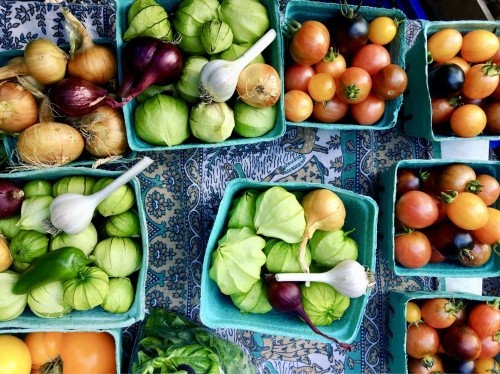
One of the simplest ways to eat more sustainably is to choose fruits and vegetables that are in season where you live. Seasonal produce doesn’t have to travel thousands of miles, which means fewer emissions and better flavor.
- Spring: Asparagus, strawberries, spinach, and peas.
- Summer: Tomatoes, corn, zucchini, and blueberries.
- Fall: Apples, squash, sweet potatoes, and mushrooms.
- Winter: Kale, carrots, cabbage, and citrus fruits.
Keep a seasonal produce chart on your fridge or use a local farm’s calendar to plan your meals around what’s fresh and abundant right now.
Buy Local and Organic When You Can
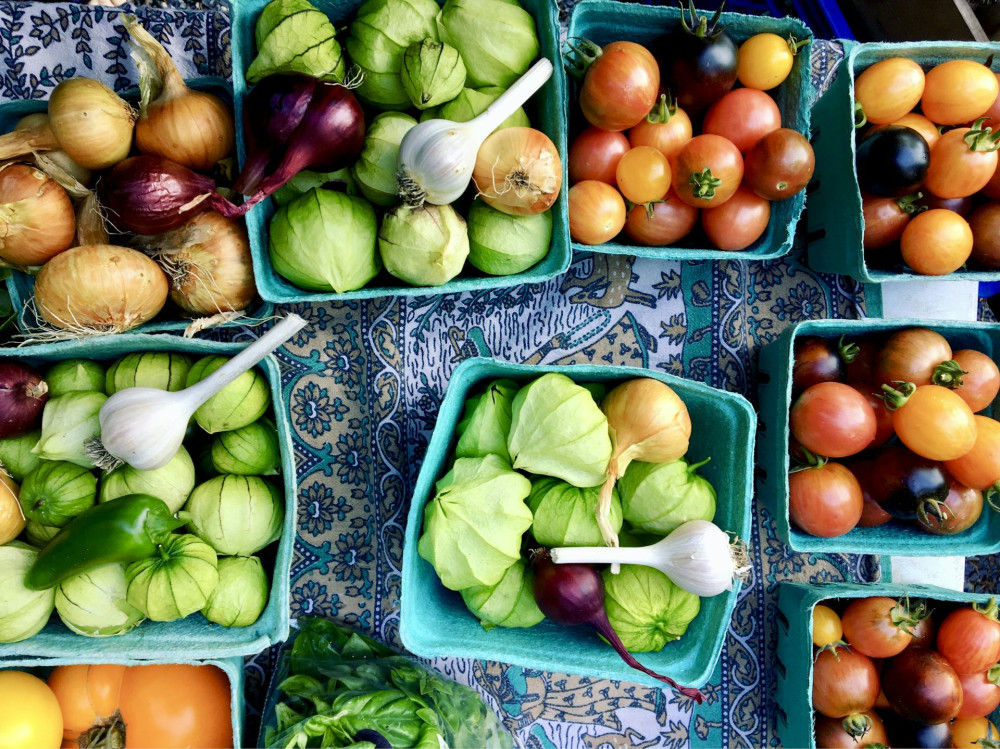
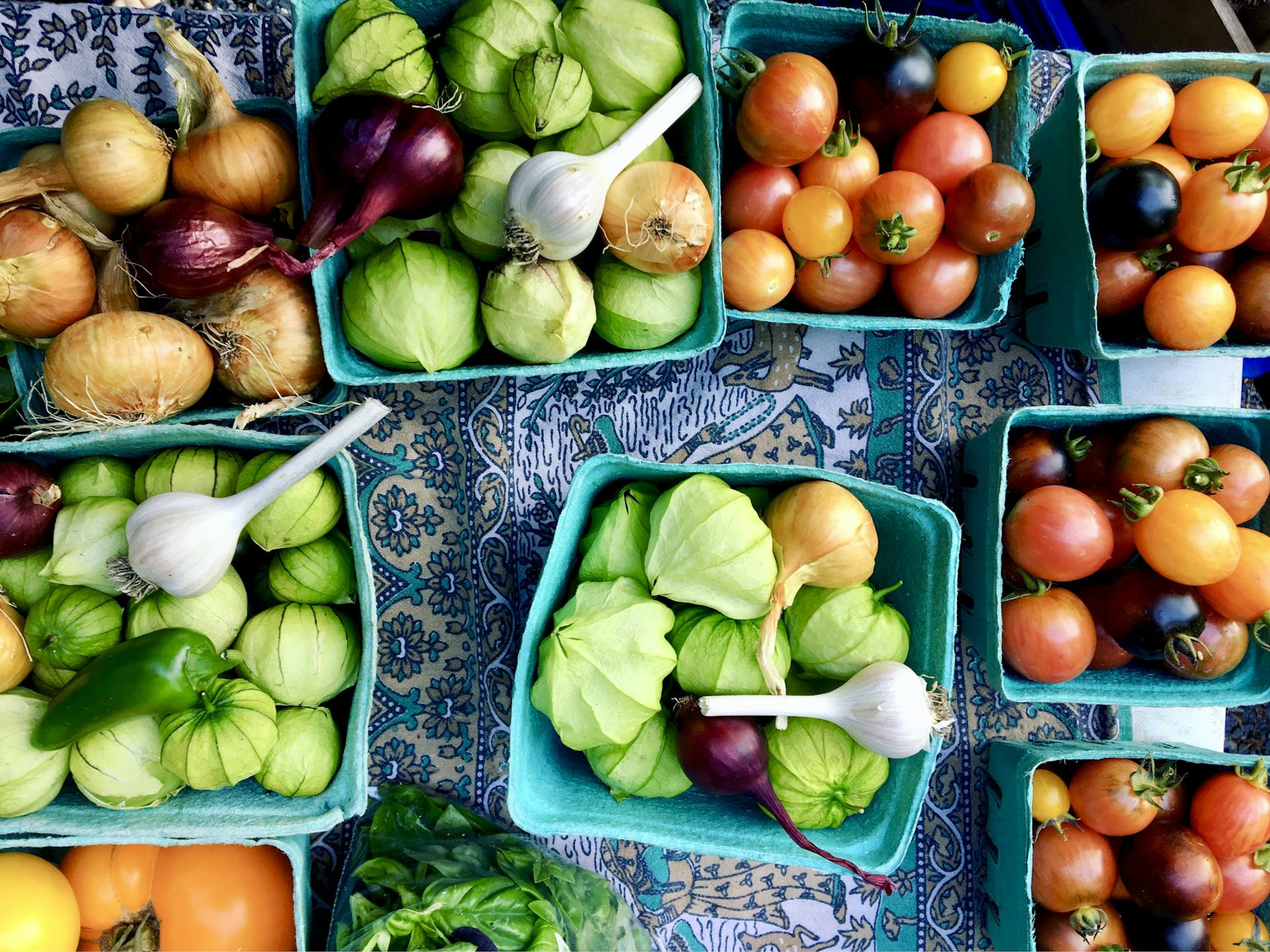
Buying local supports nearby farmers and reduces the distance your food travels. Visit farmers’ markets, join a community-supported agriculture (CSA) program, or look for “locally grown” labels at your grocery store. You’ll often find produce that’s fresher and more flavorful than what’s been shipped across the country.
Organic products are grown without synthetic pesticides or fertilizers, which helps protect soil health, water quality, and biodiversity. While organic doesn’t always mean low carbon emissions, it’s a step toward more responsible farming practices.
Rethink Your Meat Consumption
Meat production is one of the largest contributors to greenhouse gas emissions in the food system. You don’t have to give up meat entirely, but eating less and choosing better can make a big difference.
- Choose meat from animals raised humanely, such as grass-fed beef or pasture-raised poultry.
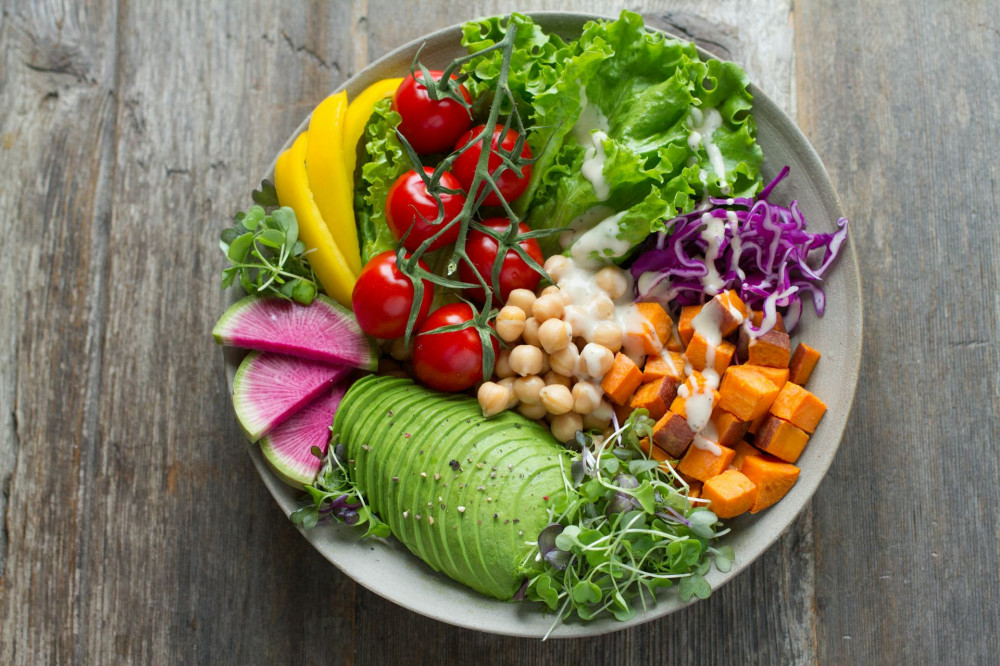
- Try meatless meals a few times a week—beans, lentils, and mushrooms make great protein alternatives.
- Use the whole animal—make broth from bones or turn leftovers into soups and stews.
Small changes in how you buy and cook meat can benefit both the planet and your health.
Choose Seafood Responsibly
Seafood can be a healthy and sustainable choice—if you pick the right kinds. Look for the MSC (Marine Stewardship Council) or ASC (Aquaculture Stewardship Council) labels, which indicate responsible fishing or farming practices.
Avoid overfished species like bluefin tuna or certain types of shrimp, and try local or underused options such as U.S.-caught mackerel, sardines, or trout. They’re delicious, affordable, and better for ocean ecosystems.
Læs også:



Cut Down on Food Waste
About one-third of all food produced globally ends up wasted. In the U.S., much of that happens at home. Reducing waste is one of the most effective ways to lower your environmental impact.
- Plan your meals and shop with a list to avoid overbuying.
- Use leftovers creatively—turn last night’s vegetables into a frittata or soup.
- Freeze extras before they spoil, and keep track of what’s in your freezer.
- Use every part—vegetable peels and stems can flavor stocks or smoothies.
Wasting less food saves money, time, and resources.
Pay Attention to Packaging
Packaging matters. Choose products with minimal or recyclable packaging, and bring your own reusable bags, jars, or containers when possible. Many grocery stores now offer bulk sections where you can fill up on grains, nuts, and spices without extra plastic.
If you can, buy in bulk or choose items packaged in glass, paper, or metal instead of single-use plastic. Every small choice adds up.
Make Sustainability a Habit
Eating sustainably isn’t about perfection—it’s about progress. Start with one or two changes that feel manageable, like buying local produce or planning meals to reduce waste. Over time, these small steps become habits, and those habits shape a lifestyle that’s better for you, your community, and the planet.
By eating with care, you’re not just nourishing yourself—you’re helping build a food system that can sustain future generations.
Læs også: