Heart-Healthy Diet: How to Plan Your Daily Meals

Heart-Healthy Diet: How to Plan Your Daily Meals
A healthy heart starts with what’s on your plate. The foods you choose every day can have a major impact on your blood pressure, cholesterol levels, and long-term heart health. A heart-healthy diet isn’t about strict rules—it’s about making smart, balanced choices that support your body. Here’s a guide to planning your daily meals so they’re both delicious and good for your heart.
Breakfast: Fuel Up the Right Way
A balanced breakfast sets the tone for the day. Choose whole grains, fiber, and healthy fats instead of refined carbs and added sugars.
- Oatmeal with berries and nuts – Oats contain beta-glucan, a type of fiber that can help lower cholesterol. Top with blueberries, raspberries, and a handful of walnuts for antioxidants and omega-3s.
- Whole-grain toast with avocado and egg – The avocado’s unsaturated fats and the egg’s protein keep you full and energized.
- Greek yogurt with fruit and seeds – A quick option that combines protein, fiber, and vitamins.
Skip sugary cereals and pastries. If you like a touch of sweetness, add fresh fruit or a drizzle of honey instead.
Lunch: Light but Satisfying
Lunch should refuel you without weighing you down. Combine vegetables, whole grains, and lean proteins for a balanced meal.
- Whole-grain sandwich with turkey or tuna – Choose lean meats or fish rich in omega-3s, like tuna or salmon.
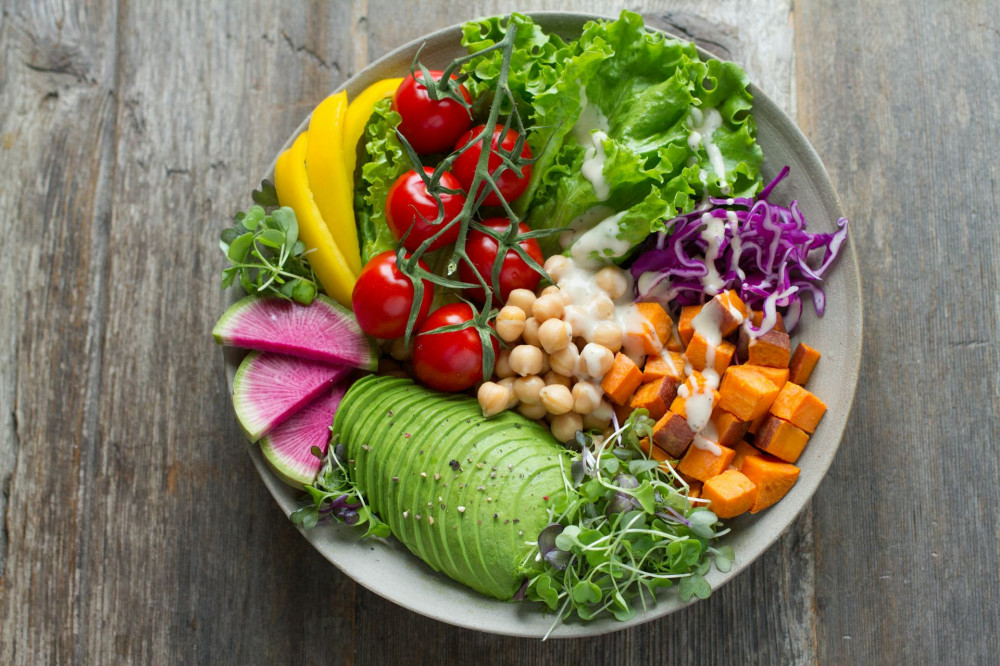
- Salad with chicken, beans, and quinoa – A colorful mix of textures and nutrients that keeps you full.
- Vegetable soup with lentils – Warm, hearty, and packed with fiber to help manage cholesterol.
Use olive oil or avocado oil for dressings instead of butter or creamy sauces—an easy way to swap saturated fats for heart-healthy ones.
Snacks: Smart Choices Between Meals
Healthy snacks can keep your energy steady and prevent overeating later.
- A handful of unsalted nuts or almonds.
- A piece of fruit—like an apple, banana, or a few berries.
- Veggie sticks with hummus.
These small bites provide fiber, vitamins, and healthy fats that support heart health and keep hunger in check.
Dinner: Balanced and Colorful
Dinner is often the main meal of the day, and it’s a great opportunity to make heart-friendly choices without sacrificing flavor.
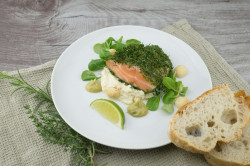
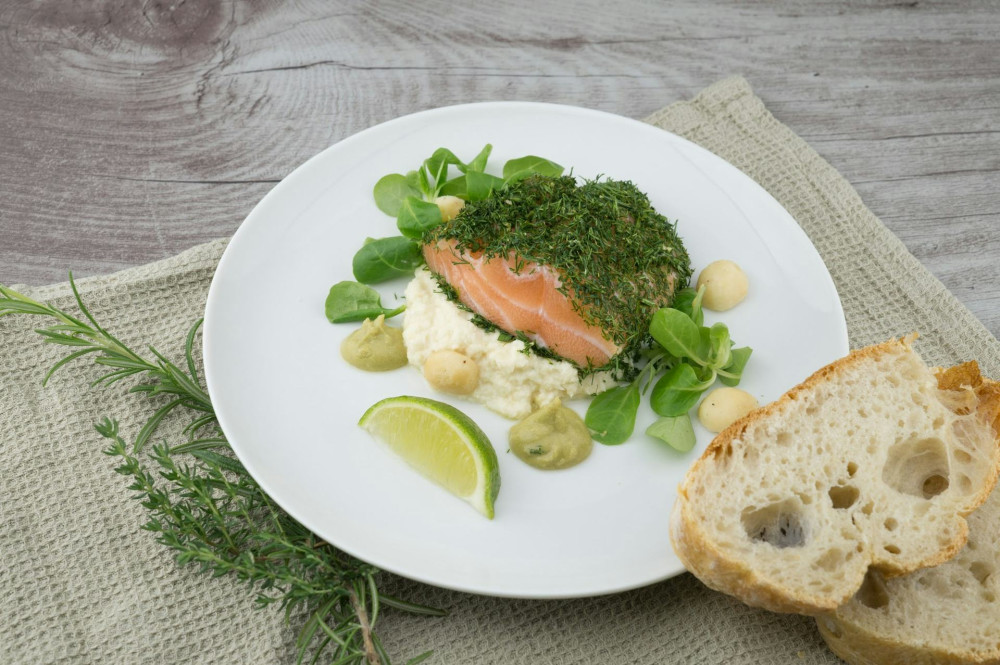
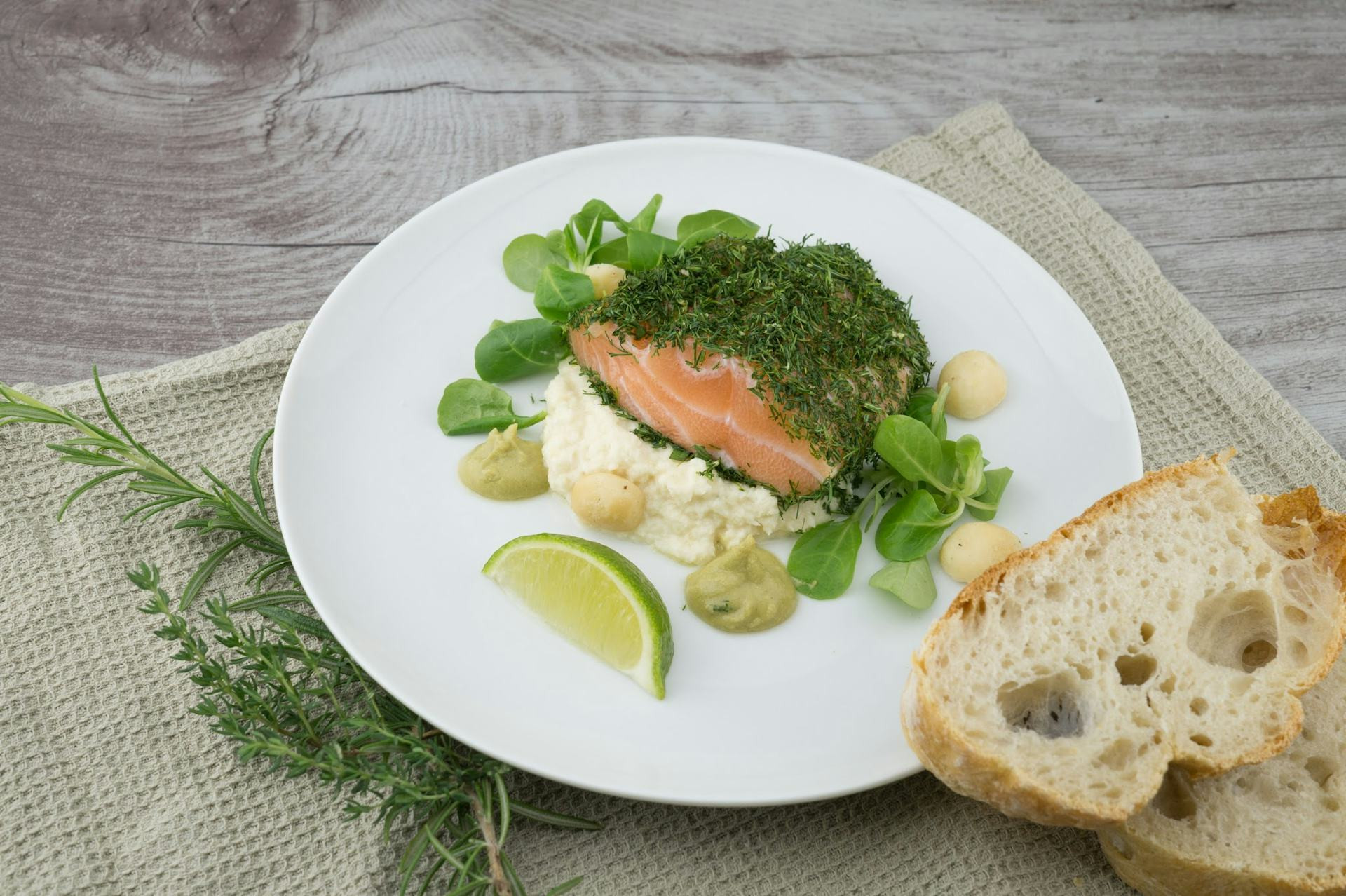
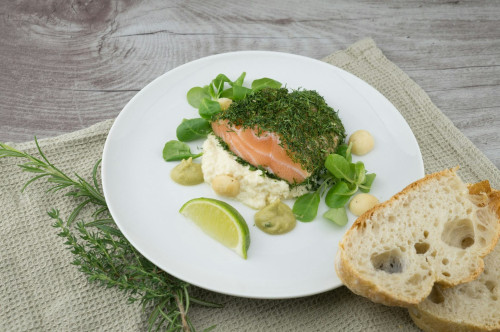
- Fish twice a week – Fatty fish like salmon, trout, or sardines are excellent sources of omega-3 fatty acids.
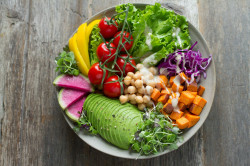
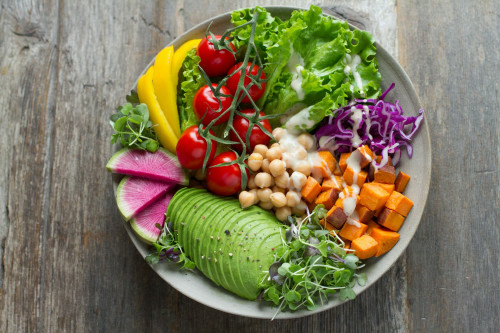
- Plenty of vegetables – The more colors on your plate, the more nutrients you get. Steam, roast, or sauté them lightly in olive oil.
- Whole grains or starchy vegetables – Brown rice, quinoa, or sweet potatoes provide lasting energy.
- Lean meats or plant-based proteins – Chicken, turkey, lentils, or chickpeas are great options.
Season with herbs, lemon, and garlic instead of salt to add flavor without raising blood pressure.
Beverages: What You Drink Matters
Water is the best choice for staying hydrated. Coffee and tea can fit into a heart-healthy diet, but go easy on sugar and cream. If you drink alcohol, do so in moderation—no more than one drink per day for women and two for men, according to U.S. guidelines.
Limit sugary drinks like soda and sweetened juices, which add empty calories and can affect blood sugar levels.
Læs også:
Small Changes, Big Results
You don’t have to overhaul your diet overnight. Start with simple swaps:
- Replace butter with olive or canola oil.
- Choose fish instead of red meat a few times a week.
- Fill half your plate with vegetables.
- Pick whole-grain bread and pasta over refined versions.
These small steps can lower cholesterol, stabilize blood pressure, and boost your energy over time.
A Heart in Balance
A heart-healthy diet isn’t a temporary fix—it’s a lifestyle. It’s about giving your body what it needs to thrive: fresh, natural foods, healthy fats, and plenty of produce. When you eat with your heart in mind, you’re not just protecting your cardiovascular health—you’re improving your overall well-being. It’s food that feels good and does good, one meal at a time.
Læs også: