Food in Small Kitchens: Practical Everyday Solutions

Food in Small Kitchens: Practical Everyday Solutions
A small kitchen can feel like a challenge—especially if you love to cook but struggle with limited counter space, storage, and organization. The good news is that a functional kitchen isn’t about square footage; it’s about smart design, good habits, and creative use of space. Here’s how you can make your small kitchen practical, cozy, and efficient for everyday cooking.
Think in Zones, Not Square Feet
When space is tight, every inch counts. One of the best ways to stay organized is to divide your kitchen into zones: one for cooking, one for prep, and one for storage. This helps you keep things tidy and prevents clutter from spreading.
- Cooking zone: Keep your most-used tools—pots, pans, utensils, and spices—within easy reach.
- Prep zone: Dedicate a small section of counter space for chopping and mixing. A cutting board that fits over the sink can instantly create extra workspace.
- Storage zone: Go vertical. Use wall-mounted shelves, hooks, and magnetic strips to store mugs, knives, and utensils.
By focusing on function rather than size, even the smallest kitchen can feel more spacious and efficient.
Smart Storage Solutions
Storage is often the biggest challenge in a small kitchen, but with a little creativity, you can make the most of every corner.
- Use your walls: Install magnetic knife strips, pot lid racks, or spice shelves to free up cabinet space.
- Maximize height: Add extra shelves inside cabinets or use baskets on top of them for items you don’t use daily.
- Choose drawers over cabinets: Drawers make it easier to see and reach what you need.
- Opt for collapsible and stackable items: Foldable bowls, colanders, and measuring cups save valuable drawer space.
A good rule of thumb is to declutter regularly. Donate or store what you don’t use often—it’s easier to stay organized when you only keep what you truly need.
Læs også:
Small Appliances, Big Impact
In a compact kitchen, every appliance should earn its place. Instead of crowding your counters with gadgets, choose versatile, space-saving options.
- A convection toaster oven can replace both a toaster and a full-size oven.
- An immersion blender works for soups, sauces, and smoothies while taking up minimal space.
- A compact food processor can handle chopping, slicing, and mixing.
- A portable induction cooktop is perfect for apartments or RVs without a full stove.
Focus on quality over quantity—having a few reliable tools makes cooking easier and keeps your kitchen clutter-free.
Light and Color Make a Difference
A small kitchen can feel dark and cramped, but the right lighting and colors can completely change that. Light shades on walls and cabinets reflect light and make the room feel larger. Skip heavy curtains and use sheer fabrics or blinds that let in natural light.
Add under-cabinet lighting for your work areas and warm overhead lighting for a cozy atmosphere. A few potted herbs or small plants on the windowsill can also bring freshness and life to the space.
Plan Your Cooking Wisely
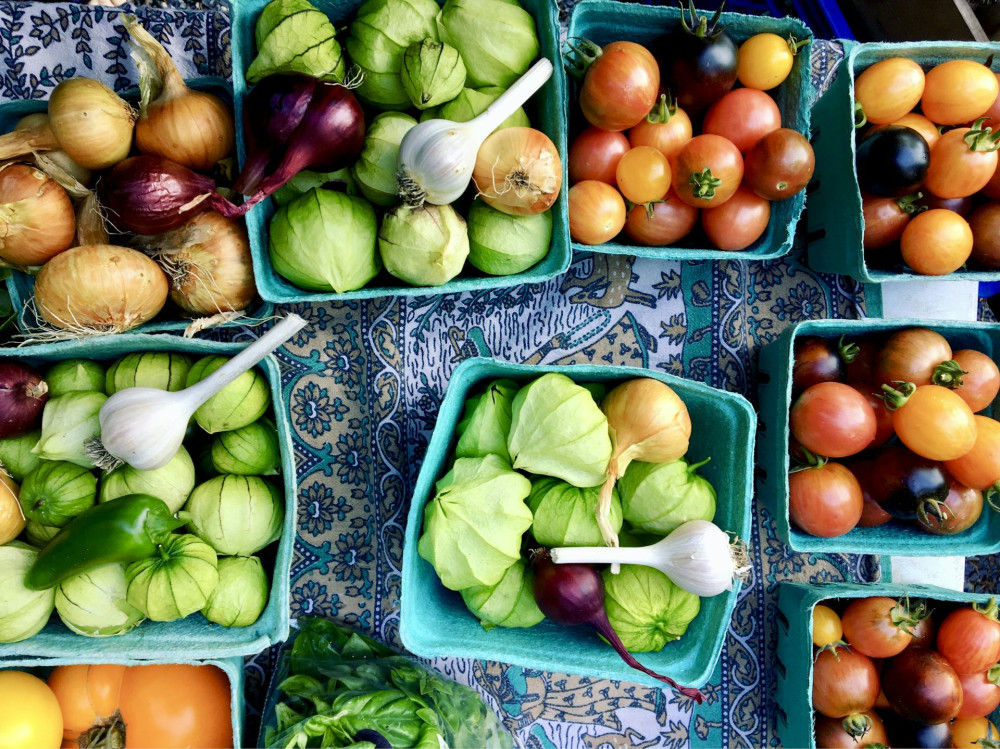
When space is limited, planning is key to stress-free cooking. Create a weekly meal plan to avoid overstocking your pantry and fridge. Pre-chop vegetables and store them in airtight containers so you can cook quickly on busy days.
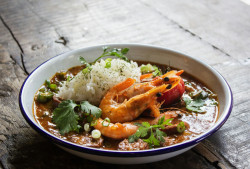
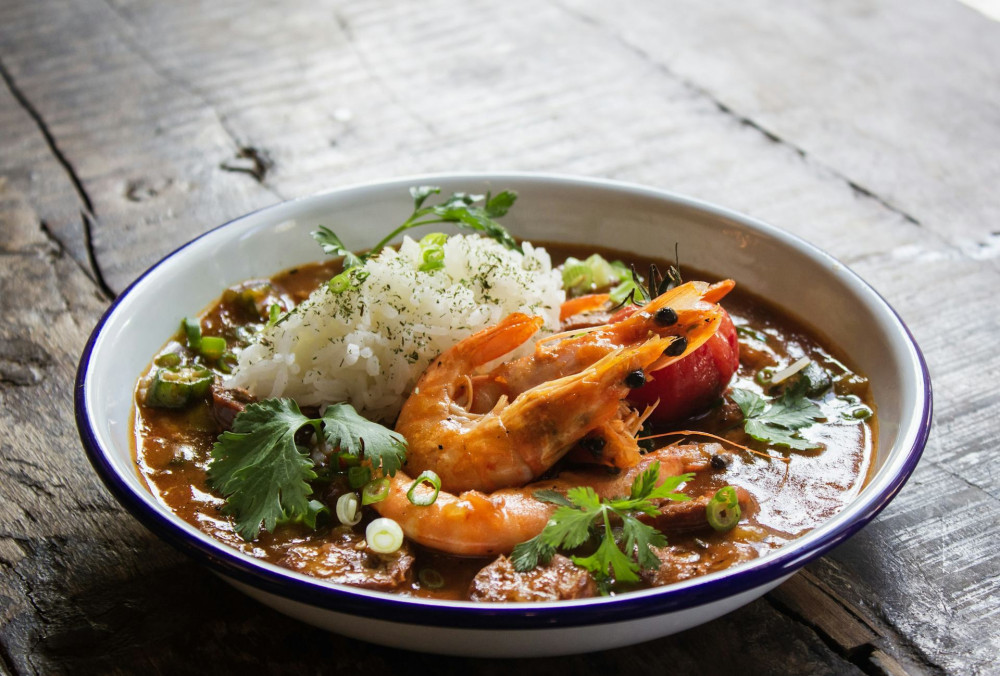
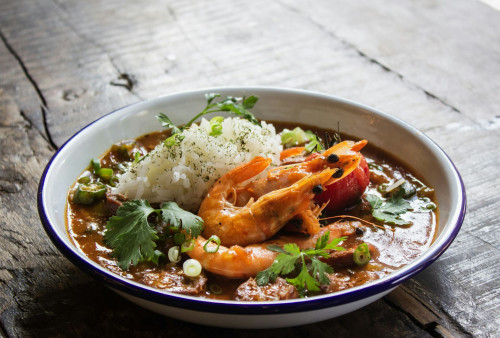
One-pot meals—like soups, stews, and pasta dishes—are perfect for small kitchens since they require less space and cleanup. Remember, simple meals can still be delicious when made with fresh ingredients and good seasoning.
Add a Personal Touch
Functionality matters, but your kitchen should also reflect your personality. A colorful teapot, a framed print, or a handmade cutting board can make the space feel warm and inviting. The goal is to balance practicality with charm.
A small kitchen can actually be an advantage—you have everything within reach, and cleanup is quick. With the right ideas and a bit of creativity, you can turn even the tiniest kitchen into a space that works beautifully and inspires you to cook every day.
Læs også: